Most Michigan drivers are either changing their oil too often or waiting far too long. The old “every 3,000 miles” rule is outdated for modern vehicles, yet plenty of shops still push it because it sells more service appointments. At the same time, some drivers stretch oil changes to 15,000 miles on conventional oil and wonder why their engines are sludging up. If you are searching for an oil change in Rochester MI or anywhere across Metro Detroit, this guide gives you honest answers based on your actual vehicle, your driving habits, and Michigan road conditions.
Table of Contents
- Quick Takeaways
- The Real Answer: It Depends on Your Oil Type and Driving Habits
- Michigan Driving Conditions Change Everything
- Conventional vs. Synthetic vs. High-Mileage Oil: Which One Do You Need?
- Vehicle-Specific Oil Change Schedules You Should Actually Follow
- Warning Signs Your Oil Needs Changing Right Now
- Where to Get Your Oil Changed Across Metro Detroit
- Frequently Asked Questions
- References
Quick Takeaways
| Key Insight | Explanation |
|---|---|
| Synthetic oil lasts 7,500 to 10,000 miles on average | Modern full-synthetic formulas hold up far longer than conventional oil. Changing it every 3,000 miles is wasted money. |
| Michigan winters count as severe driving conditions | Cold starts, road salt, and stop-and-go traffic around Southfield and Troy shorten your oil’s effective life. |
| Your owner’s manual beats every generic advice column | Manufacturers engineer oil change intervals for your specific engine. Trust the manual over the sticker on your windshield. |
| Oil life monitors are accurate for most modern vehicles | GM’s Oil Life System and Ford’s Intelligent Oil-Life Monitor calculate interval based on actual driving data, not just mileage. |
| High-mileage vehicles need more frequent checks | Vehicles over 75,000 miles may experience increased oil consumption and should be inspected at every interval, not just changed. |
| Short trips under five miles are harder on oil than highway miles | Cold engine cycles do not fully vaporize moisture and fuel byproducts. Frequent short trips accelerate oil degradation. |
| A buy two get one free oil change deal saves real money over time | If your vehicle requires synthetic oil, stacking a promotional deal across multiple visits cuts your annual maintenance cost significantly. |
The Real Answer: It Depends on Your Oil Type and Driving Habits
The honest answer to “how often should I change my oil” is not a single number. It is a range determined by three variables: the type of oil in your engine, the type of driving you do, and what your manufacturer actually specifies. Conflating all three is where most drivers go wrong.
For conventional oil, the realistic interval is 5,000 to 7,500 miles for normal driving. For full-synthetic oil, most manufacturers now specify 7,500 to 10,000 miles, and some turbocharged or performance engines running specific synthetics can go up to 15,000 miles under ideal conditions. The key phrase there is ideal conditions. Metro Detroit does not offer many of those.
A common mistake is assuming that because synthetic oil lasts longer, you can skip inspections entirely between changes. Oil level and oil condition are two different things. You can have adequate volume in the crankcase while the oil itself is already oxidized and carrying more contaminants than it should.
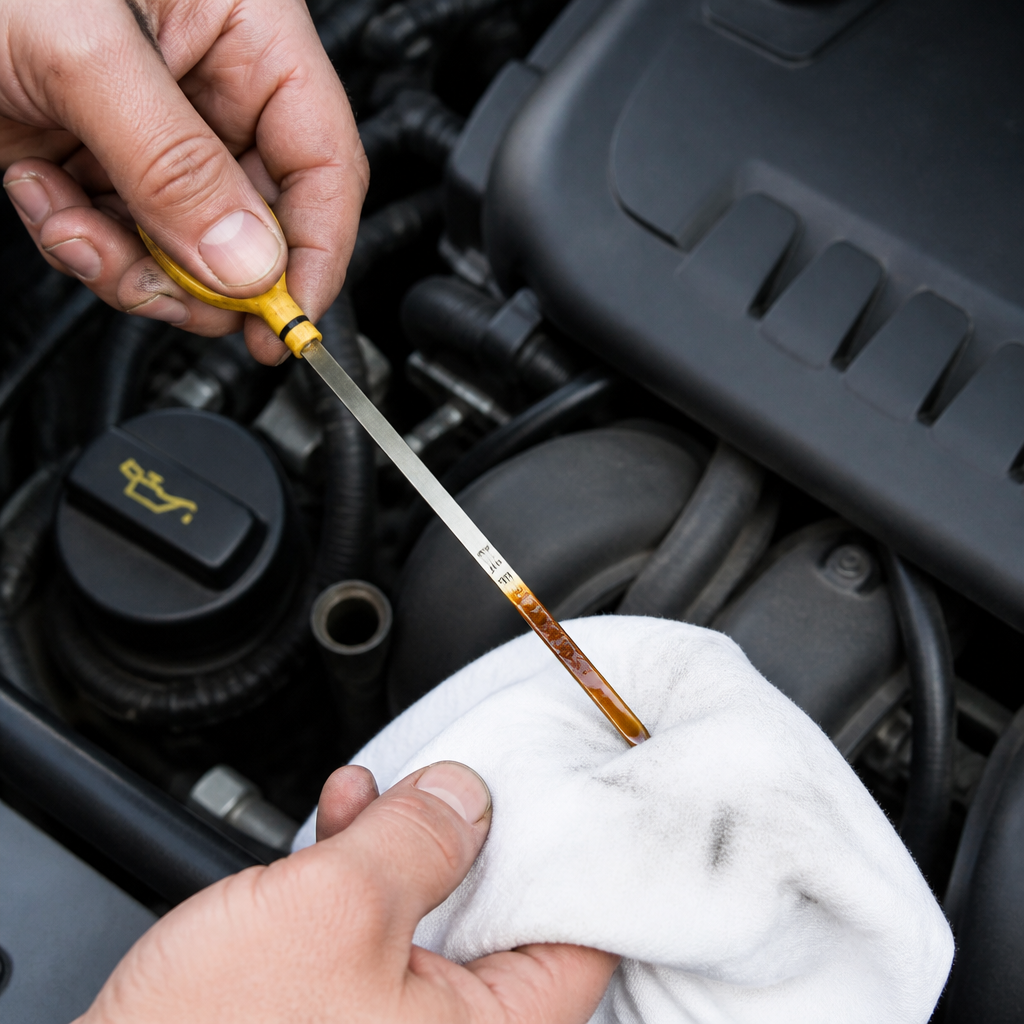
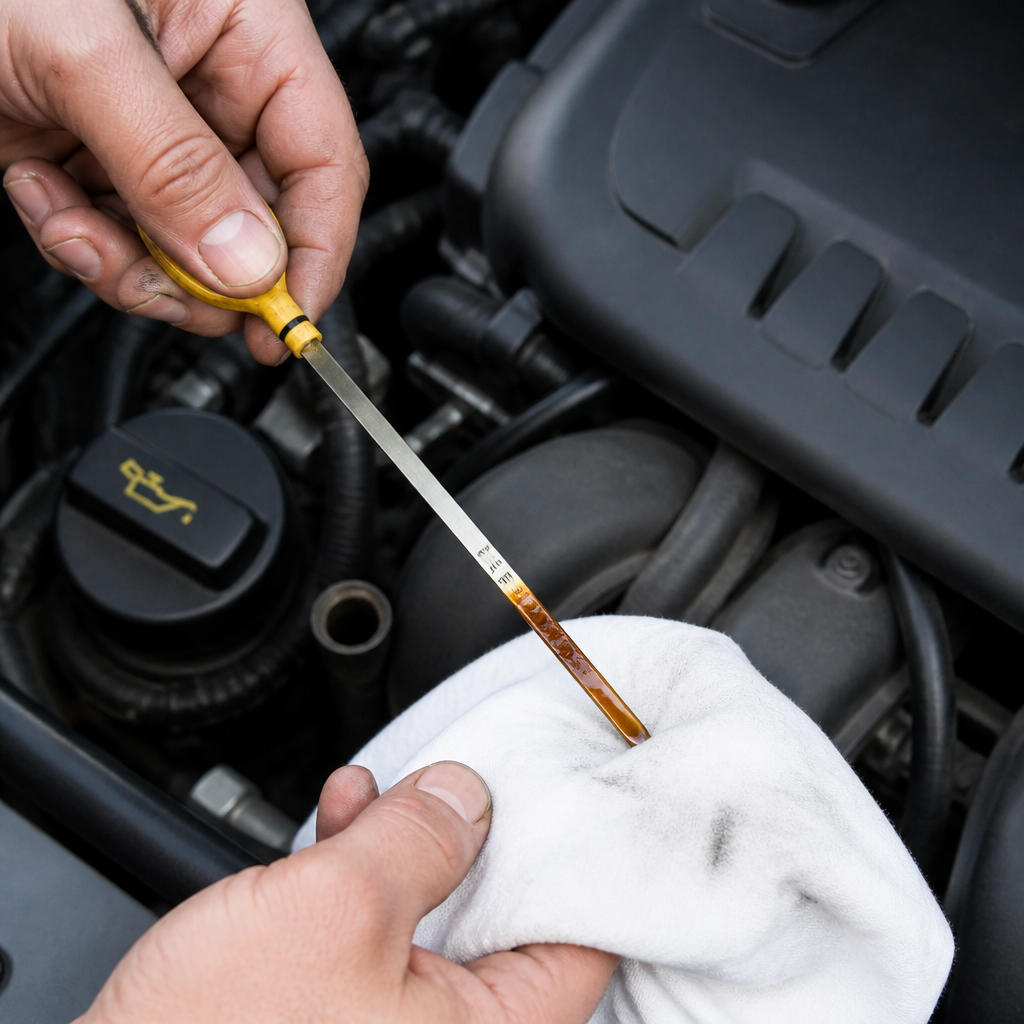
Pro tip: Pull your dipstick between oil changes. If the oil on the stick looks black and gritty rather than amber and slightly transparent, your interval is too long regardless of what the mileage says.

Michigan Driving Conditions Change Everything
Car manufacturers define two categories of driving: normal and severe. Most Michigan drivers qualify as severe without realizing it. Severe driving is defined as frequent cold starts in sub-freezing temperatures, stop-and-go city traffic, short trips under five miles, towing or hauling, and extended idling. If you commute through Southfield on I-696 or run school pickups across Shelby Township, you are almost certainly in the severe category.
What Cold Michigan Winters Do to Engine Oil
When temperatures drop below 20 degrees Fahrenheit, engine oil thickens and takes longer to circulate fully at startup. That lag period is when most engine wear actually occurs. The American Petroleum Institute notes that the majority of internal engine wear happens within the first few seconds of a cold start before oil pressure fully establishes. Michigan winters create that scenario repeatedly from November through March.
Full-synthetic oil handles cold temperatures significantly better than conventional blends because its molecular structure is uniform and engineered, not refined from crude. If you are still running conventional oil through a Rochester or Waterford winter, you are accepting more startup wear than necessary.
Road Salt and Short-Trip Contamination
Michigan roads get heavily salted from December through early April. Salt does not directly contaminate engine oil, but it accelerates corrosion on oil pan plugs, drain threads, and the undercarriage components your technician checks during an oil service. More relevantly, short trips in cold weather allow water condensation and unburned fuel to accumulate in the oil before the engine reaches full operating temperature. That contamination breaks down oil faster than mileage alone would suggest.
If your typical drive is under ten miles each way and you are doing that in Michigan winter, consider shortening your oil change interval by 20 percent relative to your manufacturer’s normal recommendation.
Conventional vs. Synthetic vs. High-Mileage Oil: Which One Do You Need?
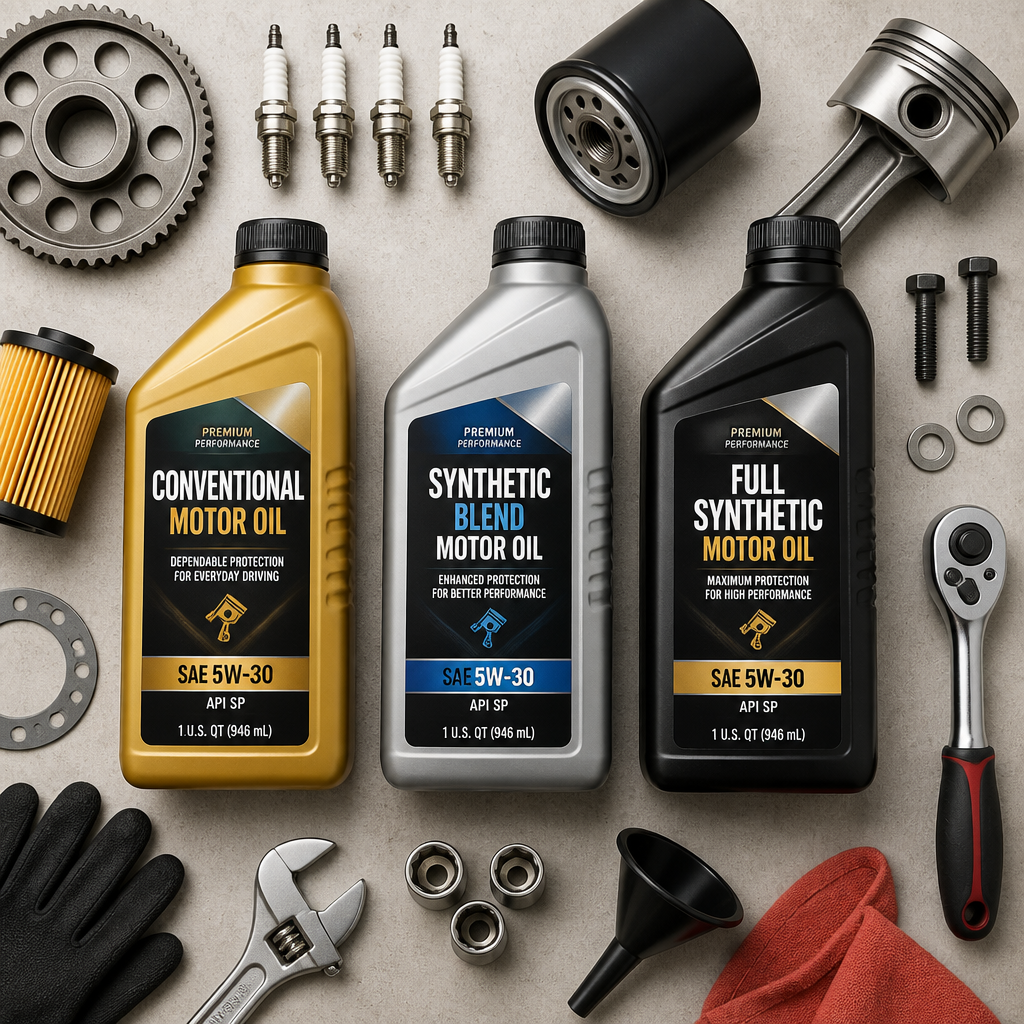
Choosing the right oil type is as important as choosing the right interval. Here is a direct comparison of the three main options most Michigan drivers will encounter at the service counter.
| Oil Type | Recommended Interval (Normal Driving) | Best For |
|---|---|---|
| Conventional (5W-30, 10W-30) | 5,000 to 7,500 miles | Older vehicles, low-mileage drivers, vehicles where manufacturer does not specify synthetic |
| Full Synthetic (0W-20, 5W-40) | 7,500 to 10,000 miles (up to 15,000 for some models) | Modern engines, turbocharged vehicles, Michigan cold-weather driving, high-mileage commuters |
| High-Mileage Synthetic Blend | 5,000 to 7,500 miles | Vehicles over 75,000 miles with aging seals, minor oil consumption between changes |
High-mileage oil formulas contain seal conditioners and additional detergents that help engines with worn gaskets and seals hold tighter and burn less oil. In practice, if your vehicle has over 80,000 miles and you are topping off between changes, high-mileage synthetic blend is worth the modest price increase over standard conventional oil.
One thing that is not debatable: do not put conventional oil into an engine that the manufacturer specifies for synthetic. Engines like the GM 2.0T, Ford EcoBoost, and most current Honda four-cylinders are engineered with tighter tolerances that depend on synthetic’s thinner cold-flow properties. Using conventional oil in these engines is not a cost-saving move. It is an engine-shortening one.
Pro tip: If you are booking an oil change in Troy MI or at any Car Aid location, tell the service advisor your vehicle’s year, make, model, and mileage upfront. That information determines which oil specification is correct, not the cheapest option on the menu board.
Vehicle-Specific Oil Change Schedules You Should Actually Follow
Generic intervals are a starting point, not a rule. Your owner’s manual contains the definitive maintenance schedule engineered specifically for your engine. The data consistently shows that drivers who follow manufacturer-specified intervals rather than generic ones have lower rates of engine-related repair costs over the life of the vehicle.
Vehicles with Oil Life Monitoring Systems
If your vehicle has an oil life monitor, use it as your primary guide rather than a fixed mileage number. GM’s Oil Life System, which is used across Chevrolet, GMC, Buick, and Cadillac vehicles, uses an algorithm that factors in temperature, RPM, engine load, and trip duration to calculate real-time oil degradation. It is not a mileage counter. It is an actual degradation model. The data shows GM’s system is accurate to within about 10 percent of actual oil condition in most cases.
When the monitor reads 15 percent or lower, schedule your service. Do not wait for zero. At zero, the system is telling you the oil’s protective properties are effectively exhausted.
Vehicles Without a Monitor and Older Models
If your car was made before oil life monitors were standard, apply this practical framework. Conventional oil in normal Michigan driving: change every 5,000 miles or every six months, whichever comes first. Full synthetic in a vehicle with no severe driving factors: change every 7,500 miles or every 12 months. Six months matters because oil degrades from oxidation over time, even when the vehicle is parked. A car that only accumulates 3,000 miles in six months still needs fresh oil because the existing oil has been sitting, collecting moisture and oxidizing.
“Oil doesn’t just wear out from use. It ages from oxidation, thermal breakdown, and contamination even when the engine is sitting idle. Time matters as much as mileage.” – American Petroleum Institute guidance on motor oil service life
Warning Signs Your Oil Needs Changing Right Now
Mileage and monitor readings are your scheduled intervals. But certain symptoms mean you should not wait until the next scheduled date. If you notice any of the following, book a service appointment immediately regardless of where you are in your interval cycle.
The most obvious signal is the oil pressure warning light illuminating on your dashboard. This is not a suggestion. An illuminated oil pressure light means either critically low oil level or loss of oil pressure, both of which can cause irreversible engine damage within minutes of continued driving. Pull over and check the level before driving further.
A knocking or ticking sound from the engine, especially at startup, indicates insufficient lubrication between moving parts. Fresh oil should quiet that noise. If it does not, the issue has already progressed beyond an oil change and requires diagnostics. Dark, gritty oil on the dipstick that smells burnt is another clear indicator that your interval has already passed. Amber or slightly darkened oil is normal. Black, sludgy oil is not.
Excessive oil consumption, meaning you are adding a quart or more between scheduled changes, points to a different problem: oil leaks, worn piston rings, or valve seals. An oil change addresses contamination, not consumption. At Car Aid’s Metro Detroit locations, a technician can inspect the source of consumption at the same appointment, saving you a separate diagnostic visit.
Where to Get Your Oil Changed Across Metro Detroit
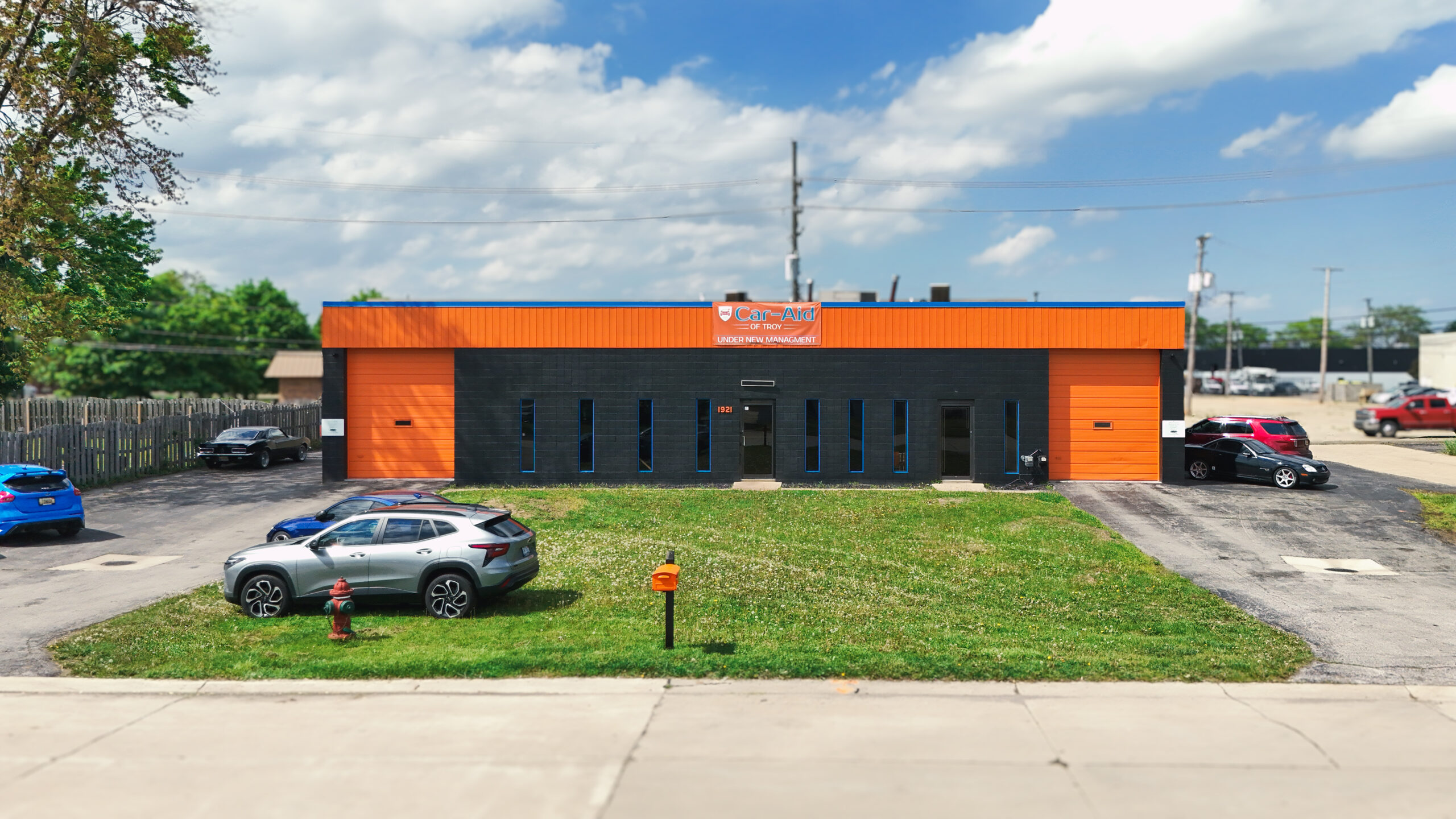
Car Aid operates six locations across Metro Detroit, which means whatever part of the region you are in, a qualified technician is nearby. The shops cover Southfield, Troy, Shelby, Utica, Waterford, and Rochester. For families managing multiple vehicles across different service schedules, having consistent service across those locations means your vehicle’s history stays with one shop rather than scattered across different service providers.
Consistency matters more than most drivers realize. A shop that sees your vehicle regularly can spot trends: gradual oil consumption that is increasing quarter to quarter, subtle changes in fluid color that suggest a developing seal issue, or brake fluid that is absorbing moisture over multiple intervals. One-off oil changes at different discount chains do not capture that pattern.
If you are in the northern suburbs and looking for a car maintenance schedule in Shelby Township or an oil change in Troy MI, Car Aid’s certified technicians follow a multi-point inspection process during every oil change appointment. This is not an upsell tactic. It is how you catch a developing brake issue or low coolant level before it becomes a roadside problem in February.
Car Aid also runs a buy two get one free oil change promotion that makes sticking to proper intervals significantly more affordable, especially for families with multiple vehicles. Full-synthetic oil changes are more expensive per visit than conventional, but the extended interval and promotional pricing make the annual cost comparable and sometimes lower.
Pro tip: When you book your appointment, mention how many miles you have driven since your last oil change and what type of oil was used. That context helps your technician confirm whether the current interval is appropriate or whether it needs adjustment based on your specific driving pattern.
Frequently Asked Questions
Is the 3,000-mile oil change rule still valid in 2024?
No. The 3,000-mile rule was developed for conventional oil in older engines with looser tolerances and less refined lubrication systems. Most vehicles made after 2010 using full synthetic oil can safely go 7,500 to 10,000 miles per interval. Following the 3,000-mile rule on a modern engine wastes money and is not environmentally sound. Check your owner’s manual and follow the manufacturer’s specification instead.
How do I know if I need conventional or synthetic oil?
Check your owner’s manual first. If the manual specifies synthetic, that is non-negotiable. If it specifies conventional, you can upgrade to synthetic for better cold-weather performance and a longer interval, but you cannot go the other direction. Most vehicles manufactured after 2015 specify full synthetic. If you drive a turbocharged engine, synthetic is almost always required due to the higher operating temperatures the turbocharger generates.
Does Michigan winter actually shorten my oil change interval?
Yes, for most Metro Detroit drivers. Frequent cold starts below 20 degrees Fahrenheit, stop-and-go commuting, short trips, and road grime exposure all qualify as severe driving conditions under manufacturer definitions. Under severe driving conditions, most manufacturers recommend reducing the normal interval by roughly 25 to 30 percent. If your normal synthetic interval is 10,000 miles, plan for 7,000 to 7,500 miles during Michigan winter driving patterns.
What happens if I go too long between oil changes?
Degraded oil loses its viscosity and cleaning properties. Over time, heat and contamination cause oil to form sludge, a thick deposit that clogs oil passages and restricts flow to critical engine components. Once sludge builds up, it takes multiple oil changes with a flush to address, and in severe cases the damage to bearings and camshafts is permanent. An engine replacement costs thousands of dollars. An oil change at Car Aid costs a fraction of that.
Can I mix synthetic and conventional oil in an emergency?
You can mix them as a short-term emergency measure without immediately damaging your engine. Modern synthetic and conventional oils are compatible. However, mixing them degrades the performance properties of the synthetic, effectively shortening the interval and reducing cold-weather protection. If you top off with conventional in a pinch, schedule a full synthetic change at your earliest opportunity rather than running the mixed blend through the full interval.
Does the buy two get one free oil change deal apply to synthetic oil?
Car Aid’s promotional offers vary by location and timing, so the best move is to call your nearest location in Rochester, Troy, Shelby, Utica, Waterford, or Southfield and confirm current offers before booking. In general, stacking any promotional deal on full synthetic changes delivers the best long-term savings because synthetic intervals are longer, meaning you are getting more mileage coverage per dollar spent across the promotion period.
How long does an oil change take at Car Aid?
A standard oil change with multi-point inspection typically takes 30 to 45 minutes at a Car Aid location. If your technician identifies additional services needed during the inspection, such as a cabin air filter replacement or tire rotation, you will be informed before any additional work is performed. Transparent communication on scope and pricing is a consistent practice across all six Car Aid locations.
If you have had a recent experience with oil change intervals or have a question about your specific vehicle, drop a comment or reach out to your nearest Car Aid location. Real-world feedback from Michigan drivers helps other local families make better maintenance decisions.
We would love your feedback and any insights you would share with others. What perspective would you add?
References
- National Highway Traffic Safety Administration: official vehicle safety and maintenance guidance for U.S. drivers
- American Petroleum Institute: motor oil standards, certification information, and engine lubrication research
- Consumer Reports: independent vehicle reliability data and automotive maintenance recommendations by model
- Statista: automotive industry statistics including vehicle maintenance costs and service frequency data in the United States
- Forbes Wheels: expert automotive coverage including cost analysis of vehicle maintenance decisions for U.S. consumers