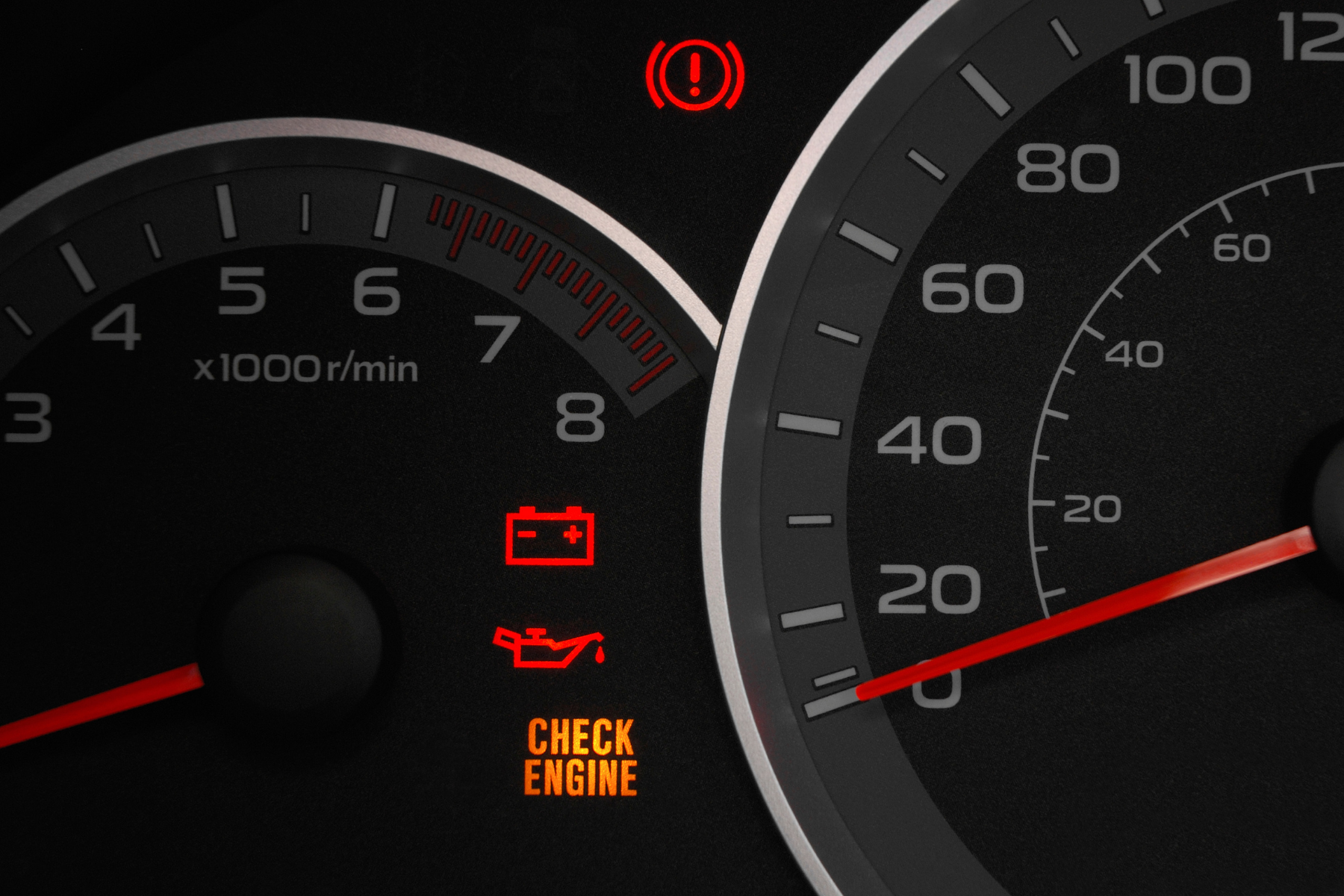
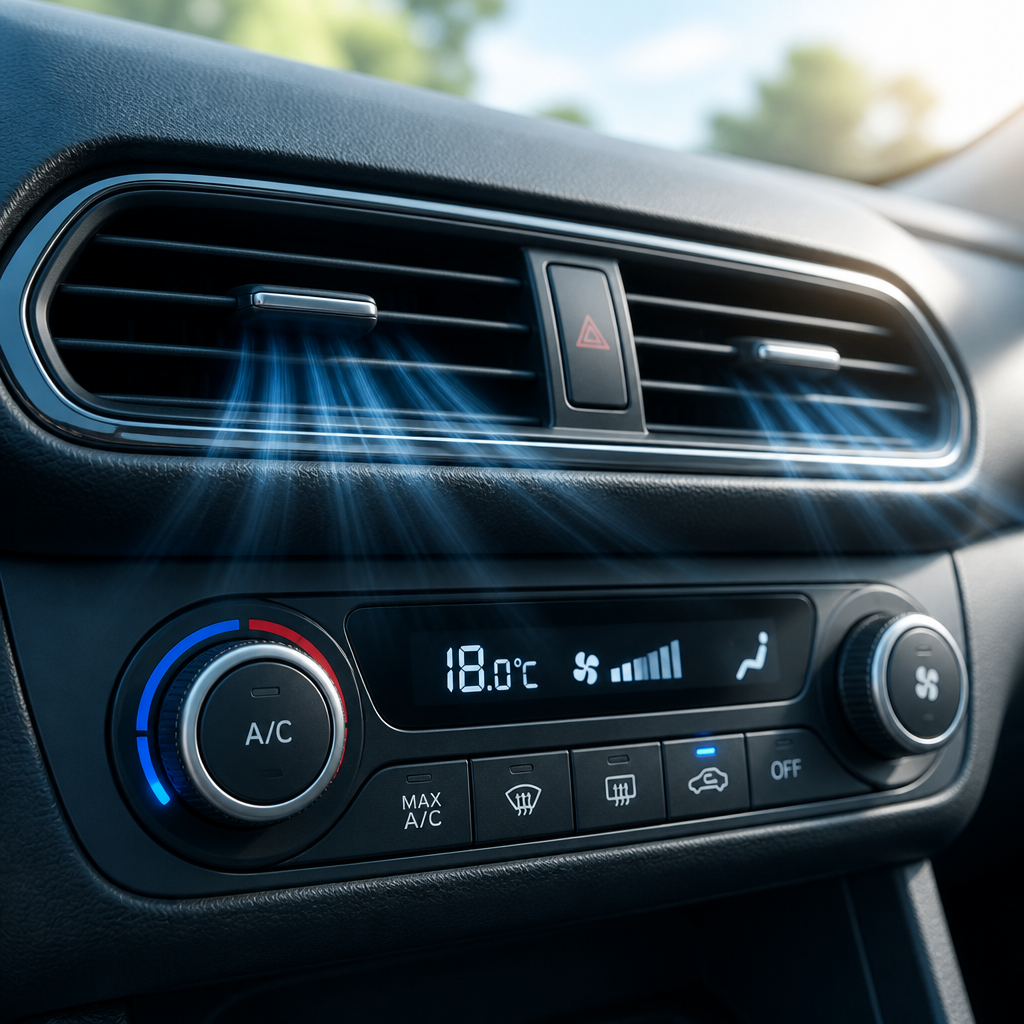
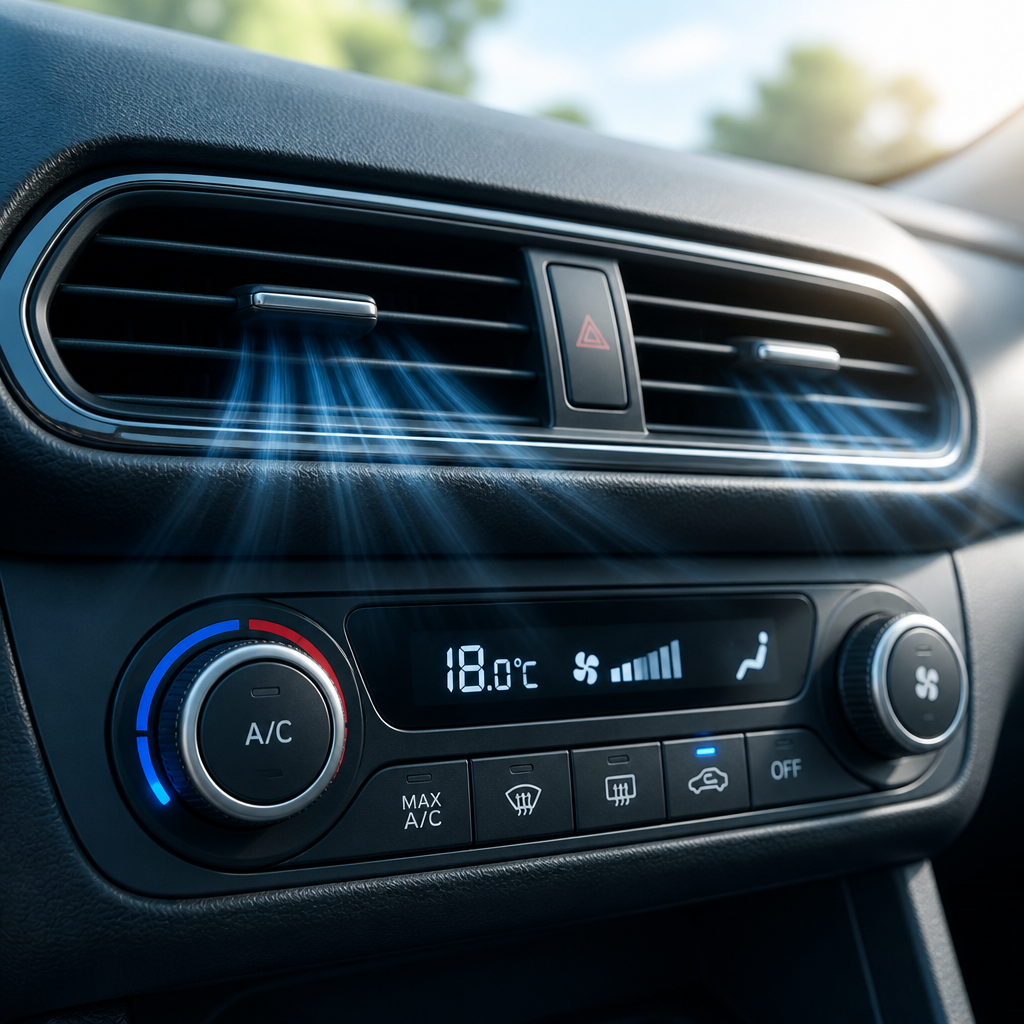
You get into your car on a hot Michigan summer day, crank the AC, and feel a blast of warm air hit your face. That is not a minor inconvenience. It is a sign that something inside your vehicle’s air conditioning system has failed or is failing right now. Michigan summers are not forgiving, and if you are driving through Waterford, Troy, or Southfield without a working AC, you are dealing with more than discomfort. You are risking heat-related issues and a repair bill that grows the longer you ignore it. This guide explains every common cause behind warm AC air and what AC service Waterford MI drivers should do immediately.
Table of Contents
- Quick Takeaways
- Why Your Car AC Blows Warm Air
- Low Refrigerant: The Most Common Culprit
- Compressor Failure and What It Means
- Condenser and Expansion Valve Problems
- Electrical and Sensor Failures
- Comparison of AC Repair Approaches
- When to Get AC Service in Michigan
- Frequently Asked Questions
- References
Quick Takeaways
| Key Insight | Explanation |
|---|---|
| Low refrigerant is the leading cause | AC systems lose refrigerant slowly over time through micro-leaks. Even a 10% loss noticeably reduces cooling performance. |
| A failed compressor stops cooling entirely | The compressor pressurizes refrigerant. When it seizes or the clutch fails, no cold air is produced regardless of other components. |
| Condenser blockage is common in Michigan winters | Road debris and salt buildup clog the condenser fins, reducing the system’s ability to release heat and cool the cabin. |
| Electrical faults are frequently misdiagnosed | A blown fuse or faulty pressure switch can mimic refrigerant problems. Professional diagnostics separate these quickly. |
| Expansion valve failure causes inconsistent cooling | A stuck expansion valve delivers too much or too little refrigerant, causing the system to blow warm intermittently. |
| DIY recharge cans mask underlying leaks | Over-the-counter refrigerant top-off products do not fix leaks and can damage the compressor if overfilled. |
| AC service should happen every 2 years in Michigan | Frequent temperature swings in Southeast Michigan accelerate wear on AC seals and hoses more than in moderate climates. |
Why Your Car AC Blows Warm Air
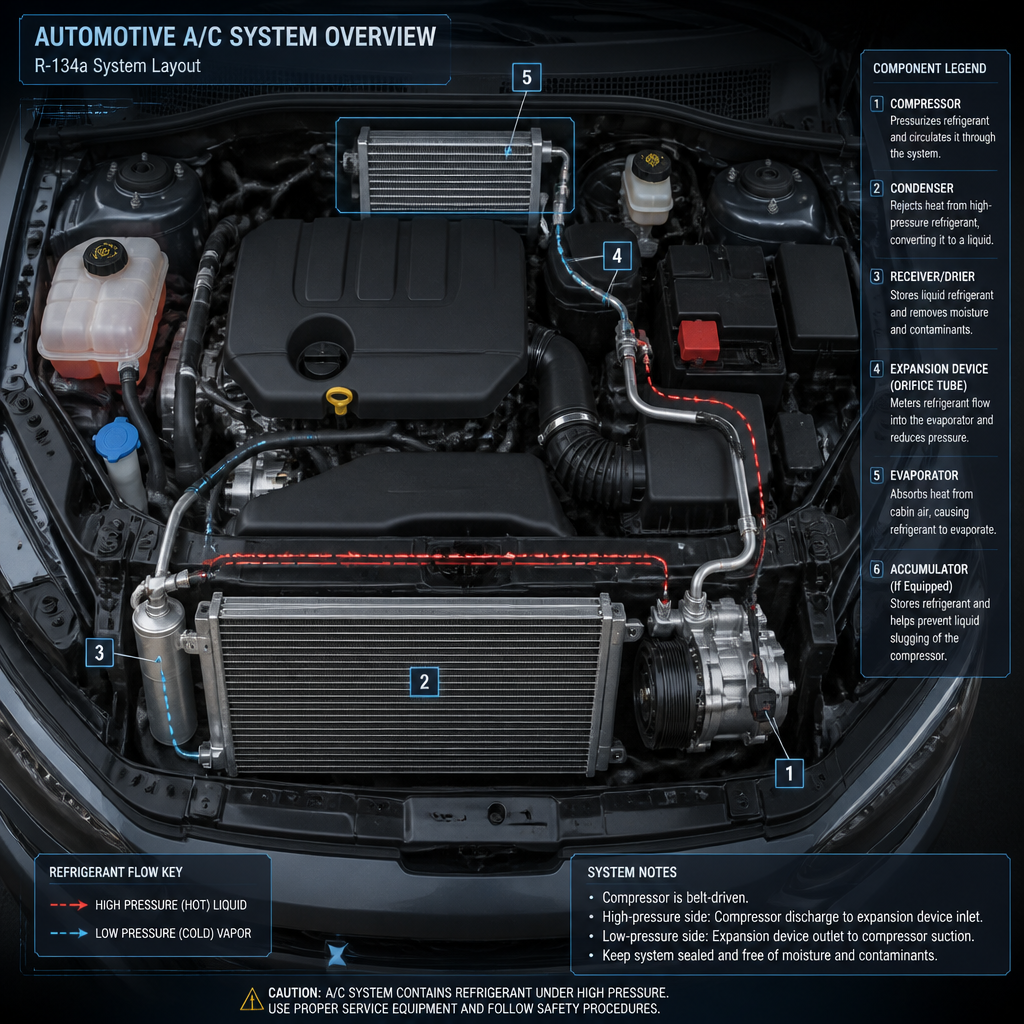
Your vehicle’s air conditioning system is a closed-loop refrigerant cycle. When any part of that loop fails, the entire system stops producing cold air. The components that fail most frequently are the compressor, the condenser, the expansion valve, the refrigerant itself through leaks, and the electrical controls that coordinate all of it.
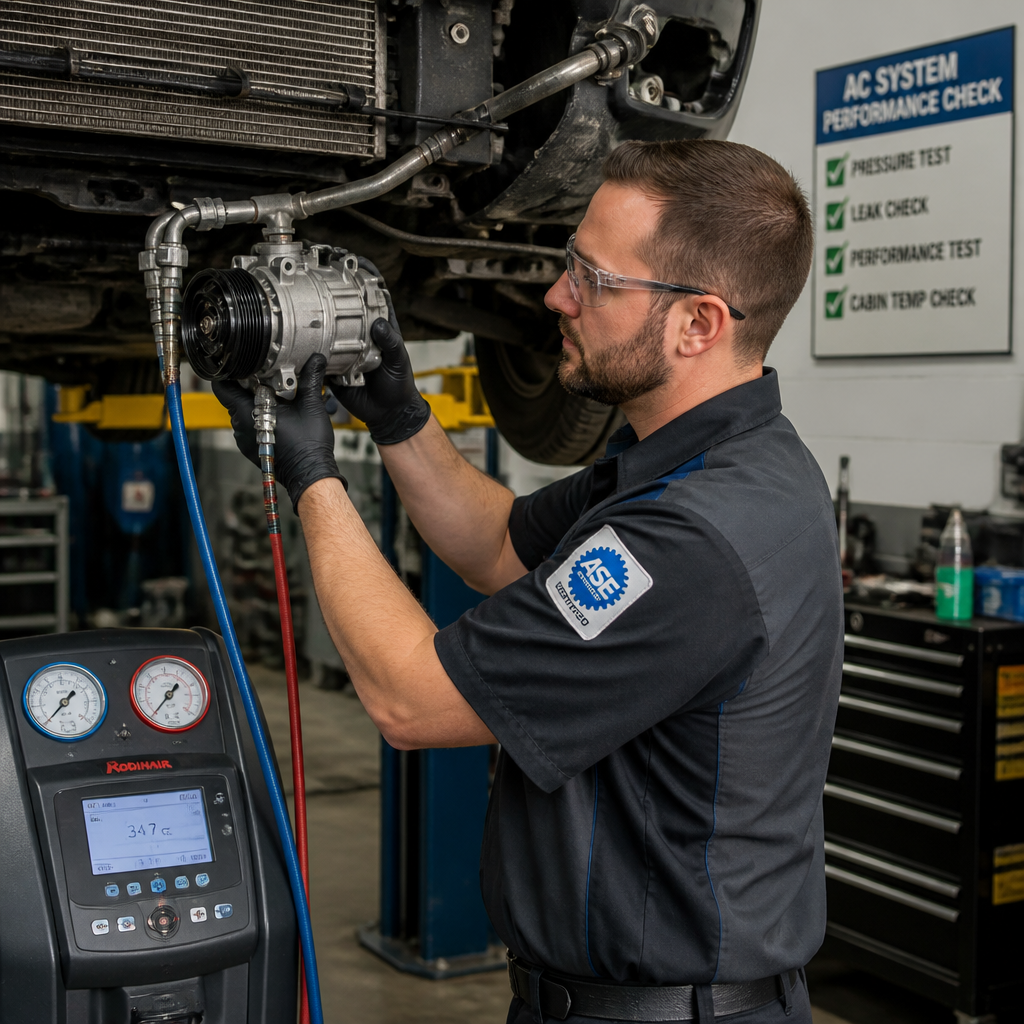
In practice, the fix is rarely as simple as “just adding refrigerant.” That approach treats the symptom without identifying the leak. A shop that does a proper auto air conditioning service will pressure-test the system, check component function, and address the root failure, not just the visible symptom.
Michigan’s climate makes this worse than in southern states. The combination of harsh winters and humid summers puts AC systems under constant stress. Rubber seals contract in the cold and expand in the heat, accelerating refrigerant loss. Waterford, Shelby, and Troy residents often find their AC has quietly deteriorated over winter, only discovering the problem the first hot day in May or June.
Low Refrigerant: The Most Common Culprit
Refrigerant, most commonly R-134a or the newer R-1234yf in post-2017 vehicles, is the substance that absorbs heat from your cabin and releases it outside. If the level drops, the system cannot absorb enough heat to produce cold air. This is the single most common reason for warm AC output across all vehicle types.
How Refrigerant Leaks Actually Happen
AC systems are designed to be sealed for the life of the vehicle. But no seal lasts forever. Schrader valves wear out. Rubber hoses develop micro-cracks. The compressor shaft seal degrades over time. In Michigan, road salt corrodes aluminum condenser fittings, creating small but steady leaks.
A common mistake is assuming that low refrigerant means the system has a large, obvious leak. In most cases, the leak is tiny, and refrigerant has been seeping out over two or three years. The car owner notices nothing until the cooling power drops below the threshold of comfort.
Pro tip: If a shop recharges your refrigerant without using UV dye or electronic leak detection to find the source, the refrigerant will be gone again within a season. Always ask whether the recharge includes a leak search.
Why Store-Bought Recharge Kits Fall Short
Those small canisters sold at auto parts stores are not a solution. They measure refrigerant by pressure, not by actual weight, which makes accurate filling nearly impossible without professional gauges. Overfilling refrigerant by even a small margin can destroy a compressor. Technicians at a full-service shop use calibrated recovery and recharge machines that measure by weight to EPA standards.
Compressor Failure and What It Means
The compressor is the heart of the AC system. It pressurizes refrigerant so that the heat-exchange cycle can happen. When it fails, nothing else in the system can compensate. You will get warm air no matter how healthy the rest of the components are.
Clutch Failure vs. Full Compressor Seizure
Compressor problems typically fall into two categories. The clutch, which engages and disengages the compressor, can fail independently of the compressor body itself. When the clutch fails, the compressor never engages, so the refrigerant never circulates. This is actually the better outcome because the compressor body may still be serviceable.
Full compressor seizure is more serious. When the internal components seize due to oil starvation or wear, metal particles circulate through the entire AC system. A shop doing quality car AC repair Michigan drivers can trust will flush the entire system after a compressor replacement, not just swap the part. Skipping the flush means metal debris destroys the new compressor within months.
Pro tip: If your AC stopped working suddenly and you hear a grinding or rattling noise near the front of the engine when the AC is switched on, stop running the AC immediately. Continued operation with a seizing compressor sends metal debris through the entire system, turning a compressor replacement into a full system replacement.
“The compressor is the most expensive single component in the AC system, often running between $600 and $1,200 installed. Protecting it through regular service is far cheaper than replacing it.” – ASE (Automotive Service Excellence) service guidance on AC system maintenance
Condenser and Expansion Valve Problems
Two components that frequently get overlooked in AC diagnostics are the condenser and the expansion valve. Both are critical to maintaining the temperature differential that makes cold air possible.
Condenser Blockage and Physical Damage
The condenser sits at the front of the vehicle, just behind the grille. Its job is to release heat from the refrigerant to the outside air as the vehicle moves. If the fins become clogged with road debris, bugs, or salt deposits, the condenser cannot release heat efficiently. The refrigerant stays too warm entering the evaporator, and the cabin air never cools properly.
Physical damage from road debris is also common. A small stone strike that bends condenser fins or cracks a refrigerant line causes a slow leak that eventually renders the system useless. Michigan roads are notoriously hard on front-end components.
Expansion Valve Malfunctions
The expansion valve controls how much refrigerant enters the evaporator. A valve that sticks open floods the evaporator and freezes it, blocking airflow entirely. A valve that sticks closed starves the evaporator of refrigerant, producing little to no cooling. Both failures often present as intermittent warm air, which makes diagnosis tricky without proper pressure testing.
In practice, expansion valve issues are more common in vehicles over 100,000 miles, where the valve’s internal components have worn from years of thermal cycling.
Electrical and Sensor Failures
Modern vehicles use a network of sensors and relays to manage the AC system. A failure in any of these electrical components can shut the system down or cause it to run incorrectly, even when the mechanical components are in perfect condition.
Pressure Switches and What They Control
AC systems have high-pressure and low-pressure switches that protect the compressor from operating under dangerous conditions. If refrigerant is low, the low-pressure switch prevents the compressor from engaging, which is actually a protective function. But a faulty pressure switch can trigger this shutdown even when refrigerant levels are normal. The result is an AC system that behaves exactly like it has a refrigerant leak when it does not.
This is one of the most frequently misdiagnosed AC problems. A technician who does not distinguish between a true low-refrigerant condition and a faulty pressure switch will add refrigerant unnecessarily, sometimes overfilling the system.
Fuses, Relays, and Wiring Issues
A blown fuse is the simplest electrical fix, and it is the first thing a competent technician checks. But relays that control the compressor clutch or the condenser fan can also fail. If the condenser fan stops working, the condenser overheats and the high-pressure switch shuts the compressor down. From the driver’s seat, this looks identical to a compressor failure.
Wiring corrosion is particularly common in Michigan vehicles. Salt exposure corrodes connector pins over time, creating intermittent electrical faults that appear and disappear depending on temperature and humidity. These require careful diagnostic work with a scan tool and a wiring diagram, not guesswork.
Comparison of AC Repair Approaches
Not all AC repair approaches deliver the same results. The table below compares the three ways Michigan drivers typically address a warm AC problem, from the quick fix to the thorough professional service.
| Approach | What It Involves | Outcome for Michigan Drivers |
|---|---|---|
| DIY Refrigerant Recharge (store-bought kit) | Adding refrigerant from a canister without leak detection or pressure measurement by weight | Temporary cooling, often 2-4 weeks. Does not fix leaks. Risk of compressor damage from overfilling. No diagnostic value. |
| Quick-Lube or Non-Specialist Shop Recharge | Refrigerant top-off with basic gauges, sometimes with UV dye added | Better than DIY but still misses root cause. UV dye helps future leak detection. No component diagnostics performed. |
| Full AC Diagnostic and Service at a Certified Shop | Pressure testing, leak detection, component inspection, refrigerant recovery and recharge by weight, electrical diagnostics | Identifies and fixes the actual failure. Protects compressor longevity. Proper EPA-compliant refrigerant handling. Lasting results. |
When to Get AC Service in Michigan
The clearest signal is warm air from the vents when the AC is set to maximum cool. But there are earlier warning signs that Michigan drivers should recognize before the system fails completely.
Weak cooling that takes longer than it used to reach a comfortable temperature is an early refrigerant loss indicator. A musty smell from the vents suggests mold or bacteria growth on a damp evaporator core, which is a separate issue but one that often accompanies a system that cycles incorrectly due to an expansion valve problem. Clicking or squealing sounds when the AC engages point to compressor clutch wear. Water pooling inside the cabin under the dash means the evaporator drain is clogged, which causes the evaporator to freeze and eventually stop cooling.
Car Aid recommends that Southeast Michigan drivers schedule a preventive AC inspection every two years, specifically before the summer season. Given the thermal stress Michigan vehicles experience, this interval is more practical than the “every 3-4 years” guidance written for milder climates. An inspection at a Car Aid location in Waterford, Troy, Shelby, Utica, Southfield, or Rochester takes under an hour and identifies problems while they are still inexpensive to fix.
The cost difference between catching a failing compressor seal early versus replacing a seized compressor and flushing contaminated system lines is often $800 to $1,200. That math makes preventive service an obvious choice for any family relying on a vehicle through a Michigan summer.
Frequently Asked Questions
How long does an AC recharge typically last?
A properly performed recharge, where a real leak has been found and repaired beforehand, can last the life of the vehicle. An AC system that was simply topped off without leak repair will typically lose refrigerant again within one to two driving seasons, sometimes faster. Always confirm that any recharge service includes leak detection.
Can I drive my car with a broken AC in Michigan summers?
You can drive it, but there are real risks. Cabin temperatures in a parked car can exceed 130 degrees Fahrenheit within minutes, and a moving vehicle without AC in Michigan’s July humidity creates serious heat fatigue on longer drives. More importantly, a failing compressor that is still partially functioning can seize completely during operation, turning a manageable repair into a costly full-system replacement.
Why does my AC work fine in the morning but blow warm in the afternoon?
This is a classic symptom of either a low refrigerant charge that is marginally adequate at cooler morning temperatures, or a high-pressure switch that trips when the system works harder in the afternoon heat. It can also indicate a condenser fan that is failing under load. A technician needs to test the system under conditions that replicate the afternoon failure, which means testing after the car has reached operating temperature, not cold.
What is the difference between R-134a and R-1234yf refrigerant, and does it matter for my repair?
It matters significantly for cost. R-1234yf, required in most vehicles manufactured after 2017, costs roughly five to eight times more than R-134a per pound. Some older vehicles can be retrofitted to use alternative refrigerants, but this must be done correctly to avoid voiding warranties and causing component damage. A certified shop will confirm which refrigerant your vehicle requires before any service.
Is a bad car AC just an inconvenience, or can it affect other vehicle systems?
A seized AC compressor puts extreme additional load on the serpentine belt and can cause the belt to snap, leaving you without power steering and alternator function in addition to AC. A refrigerant leak that causes the compressor to run dry accelerates internal wear. And a clogged condenser that forces the high-pressure switch to cycle constantly puts repetitive stress on electrical connectors and relay contacts. What starts as a warm air complaint can cascade into multiple system failures if ignored.
How do I know if a shop is actually qualified to work on my car’s AC system?
Look for ASE certification, specifically Section 7 (Heating and Air Conditioning) for the technicians performing the work. Also confirm the shop uses EPA-certified refrigerant recovery equipment. Any shop performing refrigerant work is legally required under Section 609 of the Clean Air Act to use certified recovery equipment and employ EPA-certified technicians. Ask directly. A reputable shop will answer without hesitation.
Have you dealt with a car AC that stopped cooling on you during a Michigan summer? Share what the actual cause turned out to be, your experience might help another driver in Waterford or Troy figure out what is wrong with their vehicle.
References
- U.S. Environmental Protection Agency guidance on refrigerant handling regulations under Section 609 of the Clean Air Act
- U.S. Department of Energy resources on vehicle climate control efficiency and fuel impact of AC systems
- Consumer Reports data on common vehicle air conditioning failures and repair cost benchmarks
- Statista automotive repair industry data including AC service frequency and average repair costs in the United States
- Forbes analysis of auto repair costs and consumer strategies for managing vehicle maintenance expenses