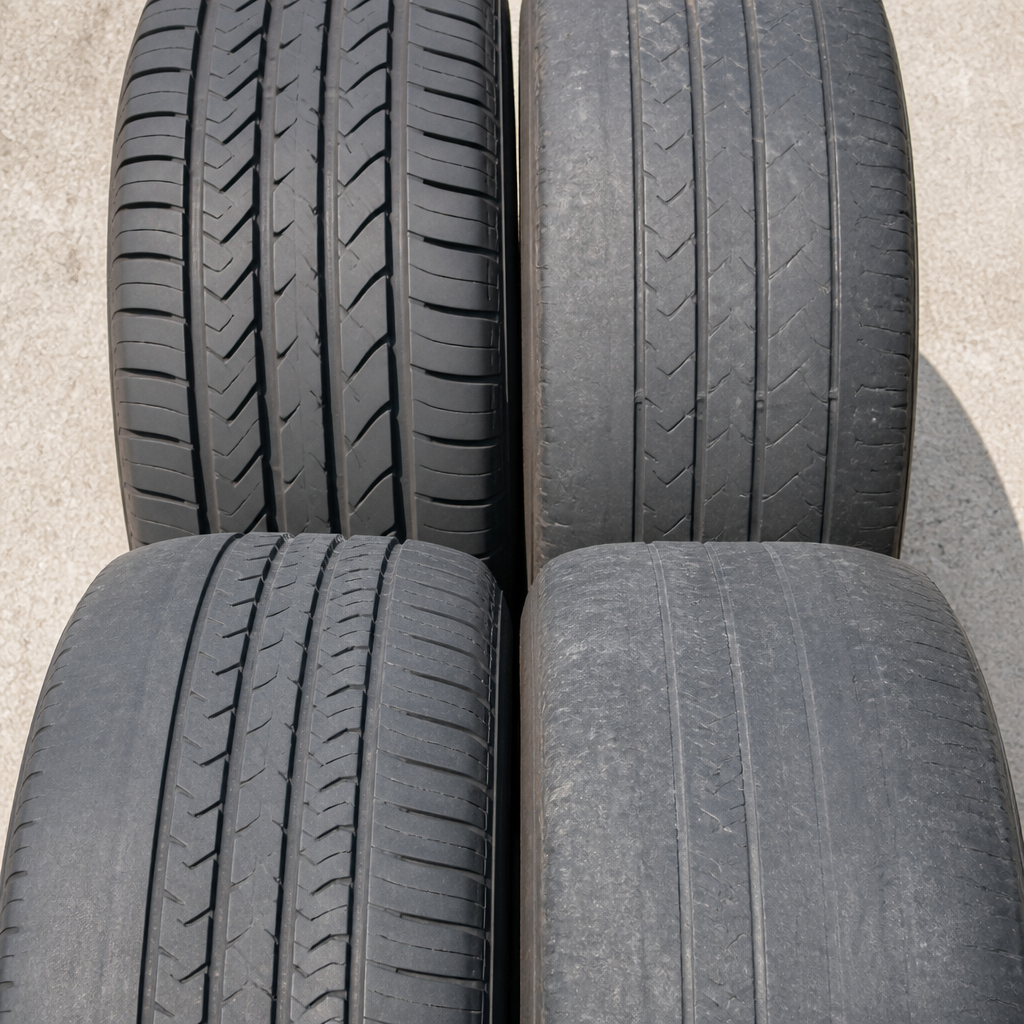
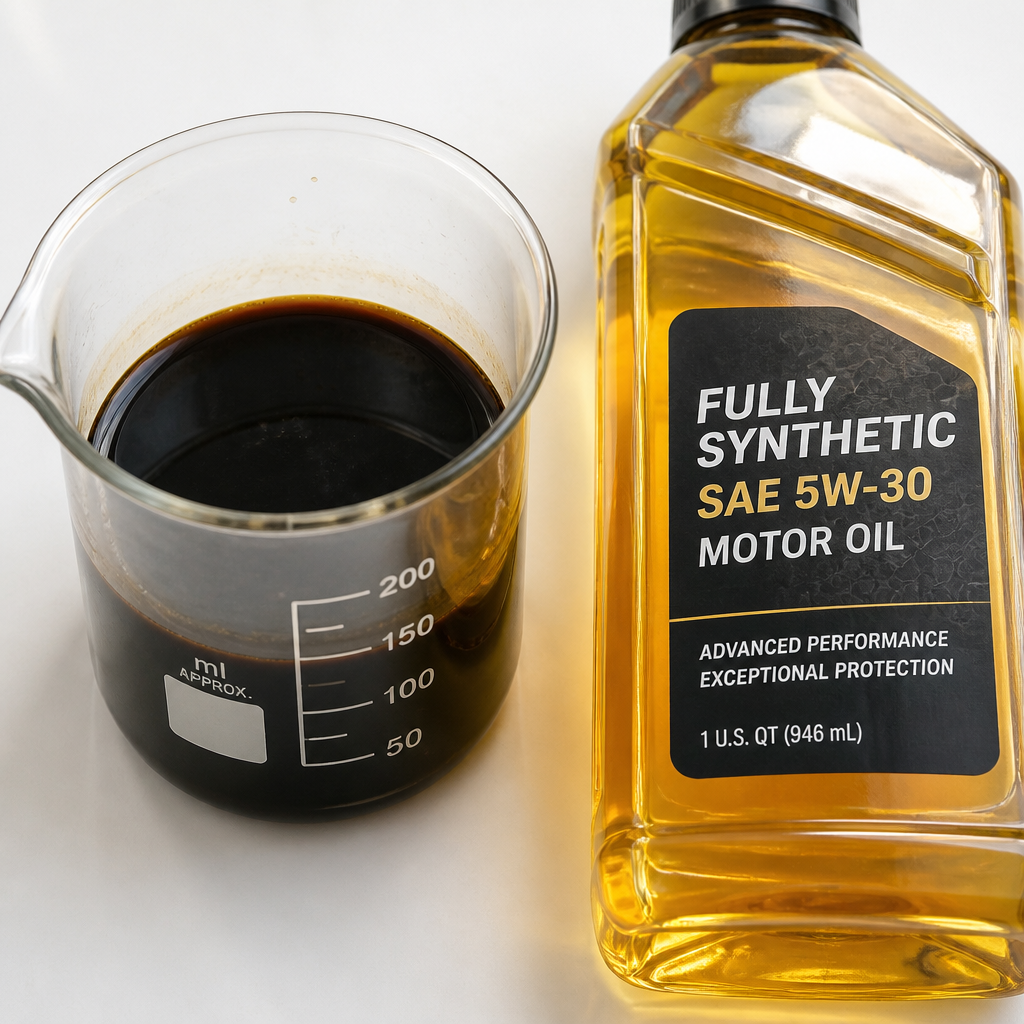
Most Michigan drivers are still following the old “change your oil every 3,000 miles” rule, and it is costing them either unnecessary money or very real engine damage. The truth is more nuanced, and it depends on your vehicle, your oil type, and the specific driving conditions across Metro Detroit. If you are searching for an oil change in Shelby Township or trying to figure out how often an oil change should happen in Michigan, this guide cuts through the noise and gives you straight answers backed by actual automotive data.
Table of Contents
- Quick Takeaways
- The 3,000-Mile Myth: Why It Is Outdated
- Oil Change Intervals by Oil Type
- How Michigan Driving Conditions Affect Your Oil
- Signs Your Oil Needs Changing Now
- Conventional vs. Synthetic vs. Synthetic Blend: A Direct Comparison
- What Happens When You Skip Oil Changes
- Finding a Reliable Oil Change Near You in Shelby Township
- Frequently Asked Questions
- References
Quick Takeaways
| Key Insight | Explanation |
|---|---|
| 3,000-mile intervals are outdated for most vehicles | Modern engines and synthetic oils routinely last 5,000 to 10,000 miles between changes, sometimes more. |
| Michigan winters are hard on engine oil | Cold starts in below-freezing temperatures cause oil to thicken, stressing your engine before it warms up. |
| Full synthetic oil outperforms conventional in extreme temperatures | Synthetic oil maintains stable viscosity in Metro Detroit’s temperature swings, from -10°F winters to 90°F summers. |
| Short-trip driving in Metro Detroit counts as “severe” driving | Constant stop-and-go traffic on M-59 or I-75 degrades oil faster than highway miles and requires shorter intervals. |
| Your owner’s manual beats any general recommendation | Manufacturer specifications are calculated for your exact engine and should always be your first reference point. |
| Dirty oil does not always look black | Color alone is not a reliable indicator. A professional oil analysis or mileage tracking is far more accurate. |
| Skipping one oil change can trigger long-term engine wear | According to AAA, engine damage from neglected oil changes is one of the top causes of premature engine failure in older vehicles. |
The 3,000-Mile Myth: Why It Is Outdated
The 3,000-mile oil change recommendation was not invented by mechanics. It was popularized by quick-lube marketing in the 1970s, when engine tolerances were wider, oil refinement was basic, and most vehicles ran on conventional petroleum-based oil. That era is long gone.
The California Department of Resources Recycling and Recovery conducted research showing that most vehicles today can go 5,000 to 7,500 miles between oil changes with conventional oil, and 10,000 to 15,000 miles with full synthetic. Sticking to 3,000 miles on a modern vehicle with synthetic oil is simply waste. You are draining oil that still has significant lubrication life left in it.
In practice, the shops that still push the 3,000-mile rule aggressively tend to benefit financially from the frequency. At Car Aid, the recommendation is always based on your specific vehicle, your oil type, and your actual driving pattern, not a one-size-fits-all upsell.
Oil Change Intervals by Oil Type
Understanding what is in your engine right now is the starting point. Not all oil performs the same, and the interval you follow should match the oil your vehicle is running.
Conventional Oil
Conventional oil is petroleum-based and refined from crude oil. It works adequately in older vehicles or those with low-mileage, uncomplicated engines. The recommended interval for conventional oil is 5,000 to 7,500 miles under normal driving conditions. In Michigan’s severe winter conditions, tighten that to closer to 5,000 miles.
Full Synthetic Oil
Full synthetic is engineered at the molecular level to resist breakdown under heat, cold, and pressure. Most modern vehicles, especially those manufactured after 2010, are factory-filled with synthetic oil and designed around longer intervals. The standard range is 7,500 to 15,000 miles, with many European models specifying up to 10,000 miles as the baseline. Ford, GM, and Chrysler vehicles, all dominant in Metro Detroit, often call for 7,500 to 10,000 miles with synthetic.
Synthetic Blend Oil
Synthetic blend is a mixture of conventional and synthetic base oils. It offers better performance than straight conventional without the price premium of full synthetic. A reasonable interval is 5,000 to 7,500 miles. It is a solid middle-ground option for trucks and SUVs doing a mix of highway and city driving in the Shelby Township and Utica areas.
Pro tip: Pull out your vehicle’s owner’s manual and look for the maintenance schedule section. If it says “severe service,” and most Metro Detroit stop-and-go commuters qualify, use the shorter interval listed, not the standard one.
How Michigan Driving Conditions Affect Your Oil
Michigan is one of the most demanding environments for engine oil in the continental United States. That is not an exaggeration. The state routinely sees temperature swings of 100 degrees Fahrenheit across a single year, and the driving patterns in Metro Detroit compound the mechanical stress significantly.
Cold Starts and Oil Viscosity
When you start your car on a January morning in Shelby Township with temperatures below 10°F, your engine oil is thick and slow to circulate. For the first 30 to 60 seconds of operation, critical engine components run with minimal lubrication. Cold starts are responsible for a disproportionate percentage of engine wear, and drivers who make multiple short trips daily without letting the engine fully warm up experience accelerated oil degradation.
Stop-and-Go Traffic on M-59 and I-75
Short-distance, frequent-stop driving is classified as “severe duty” by virtually every major automaker. If you are making multiple short trips under 5 miles, sitting in construction traffic on I-75, or commuting on M-59 between Utica and Shelby Township, your oil is degrading faster than the mileage alone suggests. In these conditions, a 5,000-mile interval is smarter than 7,500 regardless of oil type.
Road Salt and Humidity
Michigan’s roads are heavily salted from November through March. While salt does not directly contaminate your oil, the moisture it brings into the engine environment contributes to condensation inside the crankcase. That moisture mixes with oil and creates sludge over time, especially in engines that never fully reach operating temperature on short commutes.
“Engine oil is the lifeblood of your vehicle. Neglecting oil changes is the single most preventable cause of premature engine failure.” – American Automobile Association (AAA) Vehicle Research Center
Signs Your Oil Needs Changing Now
Mileage is your primary guide, but your car will also give you real-time signals that the oil is past its service life. Ignore them long enough and you will be looking at repairs that dwarf the cost of an oil change by a factor of ten.
Dark, Gritty Oil on the Dipstick
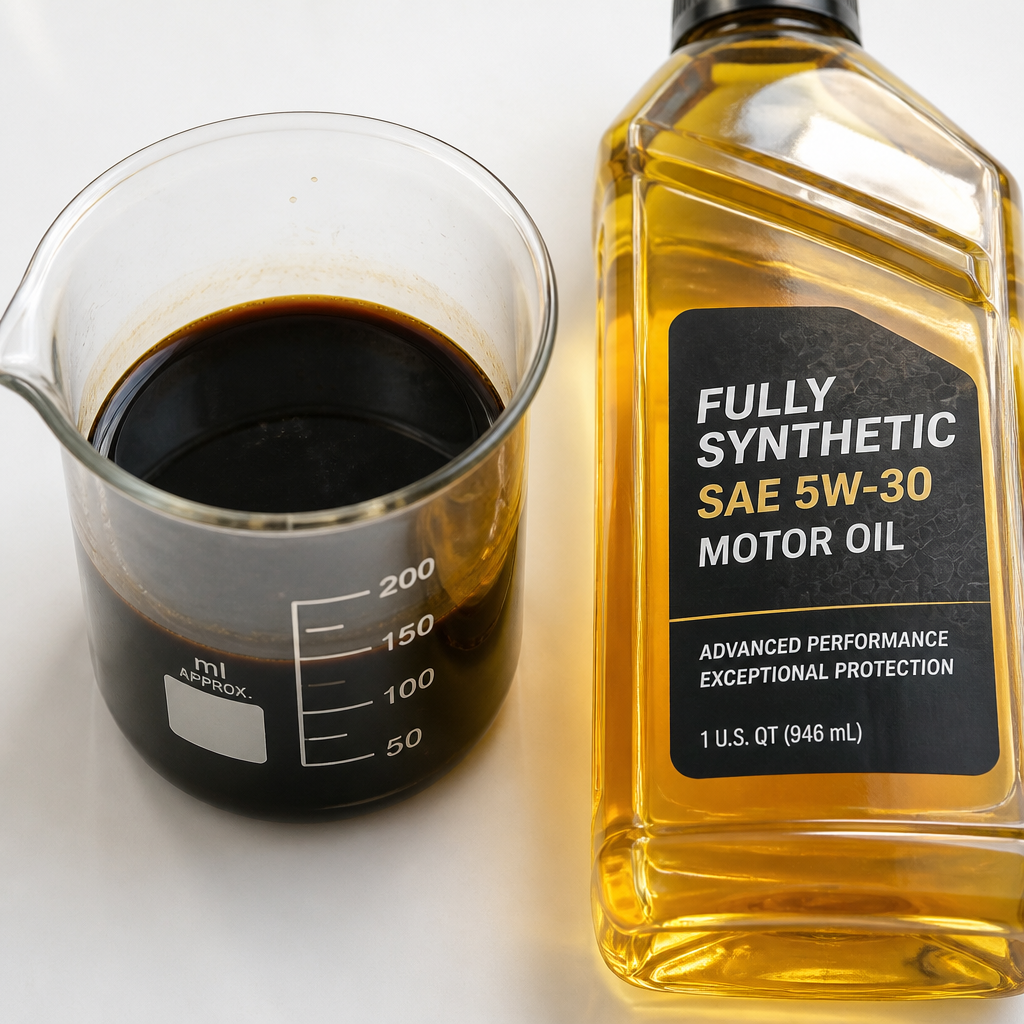
Fresh oil is amber and semi-transparent. Oil that looks dark brown or black and feels gritty between your fingers has accumulated combustion byproducts and metal particles. It is no longer effectively lubricating or cleaning your engine. Check your oil level and condition monthly, especially if you drive in stop-and-go Metro Detroit traffic regularly.
Engine Noise and Knocking
Oil creates a thin protective film between moving metal parts. When that film breaks down from overdue oil, you will often hear increased engine noise, ticking from the valvetrain, or knocking sounds under acceleration. If you are hearing these sounds, the oil needed changing thousands of miles ago.
The Oil Pressure or Maintenance Light
Most vehicles 2010 and newer include an oil life monitoring system that uses driving data to calculate oil degradation. When it lights up, take it seriously. A common mistake is confusing this with the oil pressure warning light. The oil pressure light means critically low oil pressure right now, which is an immediate stop-and-check situation.
Pro tip: After your oil change at Car Aid, ask the technician to reset your oil life monitor if your vehicle has one. A lot of drivers skip this step and then wonder why the light comes on 1,000 miles after a fresh change.

Conventional vs. Synthetic vs. Synthetic Blend: A Direct Comparison
This table gives Michigan drivers a clear look at how the three main oil types stack up across the factors that matter most in Metro Detroit conditions.
| Oil Type | Recommended Interval (Normal/Severe) | Best For Michigan Drivers |
|---|---|---|
| Conventional Oil | 5,000 to 7,500 miles / 3,000 to 5,000 miles | Older vehicles (pre-2005), low-mileage drivers, budget-conscious maintenance on simple engines |
| Synthetic Blend Oil | 5,000 to 7,500 miles / 4,000 to 5,000 miles | Trucks and SUVs doing mixed highway and city driving, moderate towing, vehicles in the 2005 to 2012 range |
| Full Synthetic Oil | 7,500 to 15,000 miles / 5,000 to 7,500 miles | Modern vehicles (2012 and newer), daily highway commuters, turbocharged engines, extreme cold-start protection in Michigan winters |
The data consistently shows that full synthetic provides the best protection for modern engines operating in Michigan’s climate. The higher upfront cost is offset by fewer changes per year and measurably better engine protection over the vehicle’s life.
What Happens When You Skip Oil Changes
This is where abstract maintenance advice becomes concrete financial pain. Skipping oil changes does not just mean dirty oil. It triggers a cascade of mechanical problems, most of which are entirely preventable.
Sludge Buildup
When oil breaks down, it oxidizes and combines with moisture, combustion gases, and metal particles to form a thick, tar-like deposit called sludge. Sludge blocks oil passages, starves components like the timing chain tensioner and valve train of lubrication, and in advanced cases, requires an engine flush or full rebuild to correct. In practice, sludge-related repairs cost anywhere from $1,500 to over $5,000 depending on engine access and damage extent.
Accelerated Wear on Critical Components
The piston rings, camshaft bearings, and crankshaft journals depend on clean, properly viscous oil to function without metal-to-metal contact. Degraded oil loses its viscosity index properties, meaning it thins out too much under heat and thickens excessively in cold. The result is measurable wear that shortens engine life with every mile driven on bad oil.
Voided Warranty Coverage
If your vehicle is still under manufacturer warranty or an extended service contract, failing to follow the stated oil change intervals gives the manufacturer or warranty provider grounds to deny engine repair claims. Document every oil change with a receipt or service record. Car Aid provides detailed service documentation for exactly this reason.
Finding a Reliable Oil Change Near You in Shelby Township
Searching for an oil change near me in Shelby Township returns a lot of options. Not all of them are equal. The factors that separate a shop worth your time from one that will upsell you on services you do not need come down to a few specific things.
Certified Technicians, Not Just Oil Changers
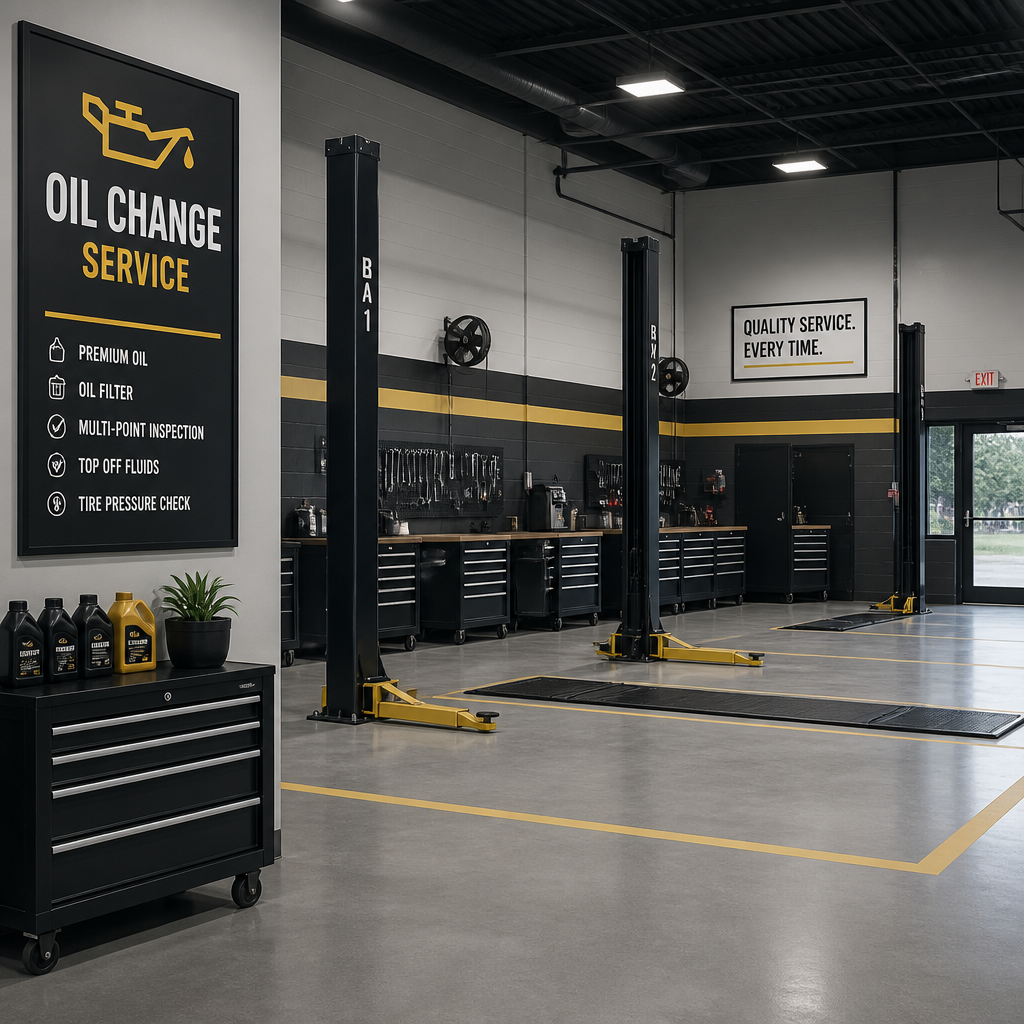
An oil change seems simple, but it is also a technician’s opportunity to inspect your vehicle for developing problems. Brake wear, tire condition, fluid levels, belt condition, and visible leaks can all be spotted during a proper oil service. A shop that rushes you through in eight minutes is not doing this. Car Aid’s certified technicians treat every oil change as a mini-inspection, which is why regular maintenance customers catch problems early instead of waiting for a breakdown.
Transparent Pricing and No Upsell Pressure
A common complaint about quick-lube chains is the pressure to add services you did not ask for. The air filter that is “desperately needed.” The fuel injection cleaner. The transmission flush. Some of these may be legitimate, but they should be shown to you, explained, and left to your decision. Car Aid operates on a transparent communication model, which means you see the recommendation and the evidence before anything is approved.
Correct Oil for Your Vehicle
This matters more than most drivers realize. Using the wrong viscosity grade, the wrong specification, or a lower-grade oil than the manufacturer requires is not a neutral choice. It actively shortens engine life. Every oil change at Car Aid uses the oil specification listed for your vehicle, not whatever is cheapest in bulk.
Car Aid serves Shelby Township drivers from its nearby locations, and same-day appointments are typically available for standard oil changes. If you are overdue or unsure of your last service, a quick call to confirm your vehicle’s correct interval and oil type is a good starting point before you drive in.
Frequently Asked Questions
How often should I change my oil if I drive mostly short trips in Metro Detroit?
If your daily driving consists of multiple short trips under 5 miles, especially in stop-and-go traffic on roads like M-59 or Van Dyke, your vehicle qualifies as severe-duty operation by manufacturer standards. In this case, follow the severe service interval in your owner’s manual. For most vehicles, that means every 3,500 to 5,000 miles regardless of oil type, because the engine never fully reaches operating temperature to burn off condensation and fuel dilution in the oil.
Is full synthetic oil worth the extra cost for my older vehicle?
In most cases, yes. Older engines with higher mileage often benefit from full synthetic because it flows better on cold starts, which is where most wear occurs, and it maintains better lubrication properties as the engine runs hotter from normal wear clearances. The exception is an engine that is already leaking or burning oil at a significant rate. In that situation, a high-mileage conventional or synthetic blend with seal conditioners may be the better practical choice. Ask a technician who can actually look at your specific engine.
What oil viscosity is right for Michigan winters?
For most modern vehicles in Michigan, a 5W-30 or 0W-20 full synthetic is the standard recommendation. The first number (5W or 0W) indicates cold-flow performance. Lower numbers mean better flow in cold temperatures, which is critical for protecting your engine in January cold starts. Always verify against your owner’s manual, because some engines require specific grades for warranty compliance. Do not assume what is cheap on the shelf is appropriate for your engine.
Can I go longer between oil changes if my car has an oil life monitoring system?
Oil life monitoring systems use algorithms based on engine temperature, RPM patterns, and mileage to calculate oil degradation. They are reasonably accurate for normal driving conditions but can underestimate degradation in extreme cold or very short-trip driving, which describes many Michigan winters. Use the system as a guide, but if you are regularly making short cold-weather trips, consider changing the oil at 75 percent of the system’s life reading rather than waiting for the warning. The cost difference is negligible compared to the protection benefit.
What is the difference between an oil change at Car Aid versus a quick-lube chain?
The primary difference is what happens in addition to the oil change itself. Quick-lube operations are optimized for speed and volume. Car Aid’s certified technicians inspect brake components, tire condition, visible leaks, fluid levels, and belts during every oil service. You get a documented report of your vehicle’s condition, not just fresh oil. For Metro Detroit families who rely on their vehicles for daily commutes, school runs, and highway travel, that inspection layer is where real value is created. You catch a $200 brake issue before it becomes a $900 rotor and caliper replacement.
How do I know if I need to add oil between changes rather than do a full oil change?
Check your dipstick. If the level is between the minimum and maximum marks and the oil looks amber or light brown without a gritty texture, topping off with the correct oil specification is appropriate. If the level is at or below minimum, add oil immediately and schedule an inspection to identify why the level dropped. A vehicle that requires frequent top-offs between changes has a leak or is burning oil internally, and that requires diagnosis, not just more oil.
What is your current oil change routine, and has it changed since you switched to synthetic? Share your experience in the comments and help other Metro Detroit drivers make a smarter call.
References
- Consumer Reports: vehicle maintenance research and oil change interval recommendations for modern engines
- AAA: automotive research on engine damage causes and oil change best practices for American drivers
- U.S. Department of Energy: motor oil efficiency data and recommendations for fuel economy and engine longevity
- U.S. Environmental Protection Agency: used motor oil recycling statistics and proper disposal guidelines for Michigan residents
- Statista: automotive industry maintenance statistics including oil change frequency trends across U.S. vehicle owners