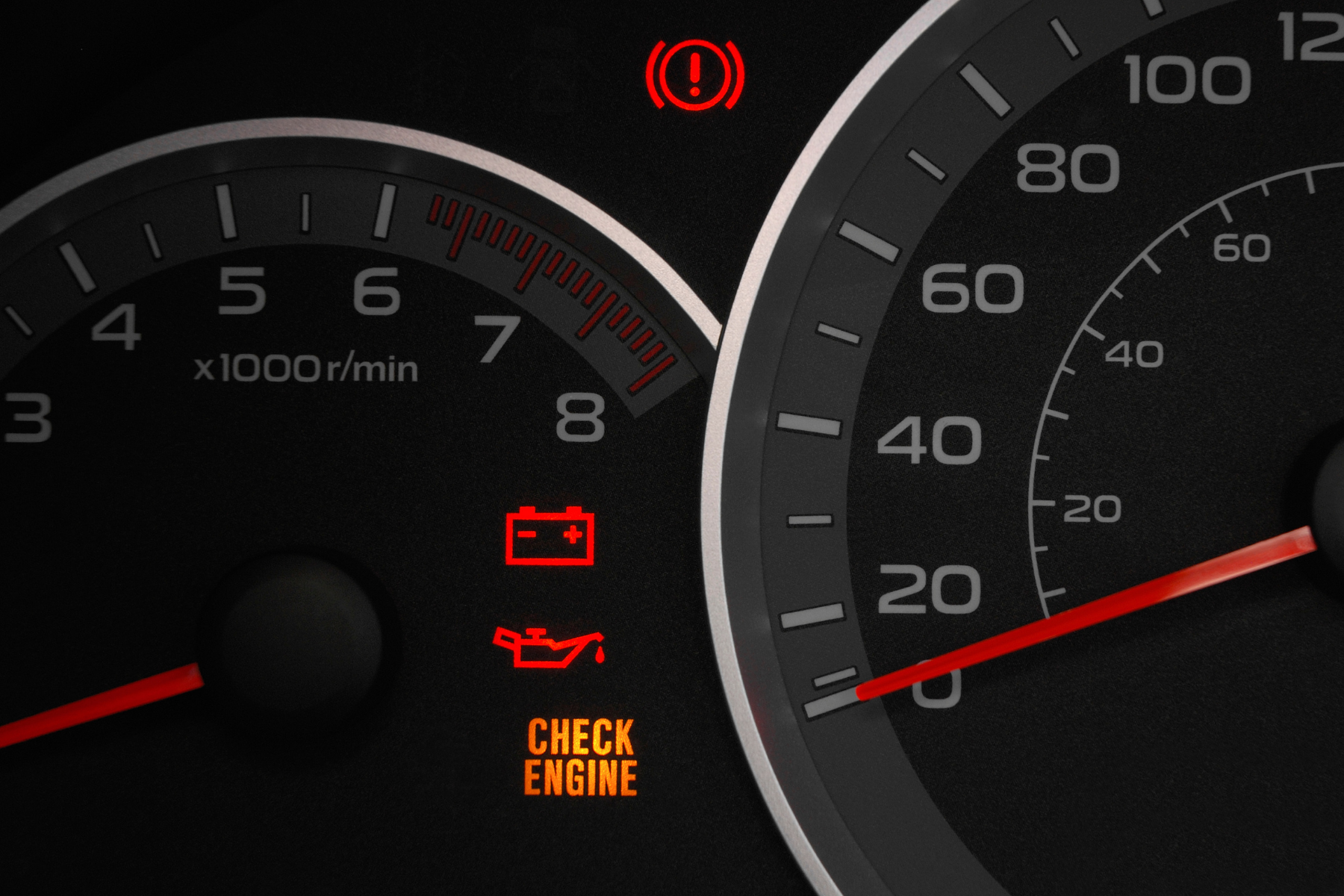
Your check engine light comes on during your morning commute on M-59, and your first instinct is to hope it goes away on its own. It rarely does. A car diagnostics scan in Shelby Township is the fastest way to stop guessing and get real answers, but most drivers have no idea what actually happens once a technician plugs into their vehicle. The scan does far more than read a code off a screen. It pulls live sensor data, captures a freeze-frame snapshot of your car’s condition at the moment a fault occurred, and gives a trained eye the raw material to find the real root cause, not just the symptom.
Table of Contents
- What Is a Car Diagnostic Test?
- Quick Takeaways
- Systems a Diagnostic Test Actually Covers
- How OBD-II Codes Work
- Freeze Frame and Live Data: The Real Value
- Professional Diagnostic vs. DIY OBD Scanner
- What Happens After the Scan
- Frequently Asked Questions
- References
What Is a Car Diagnostic Test?
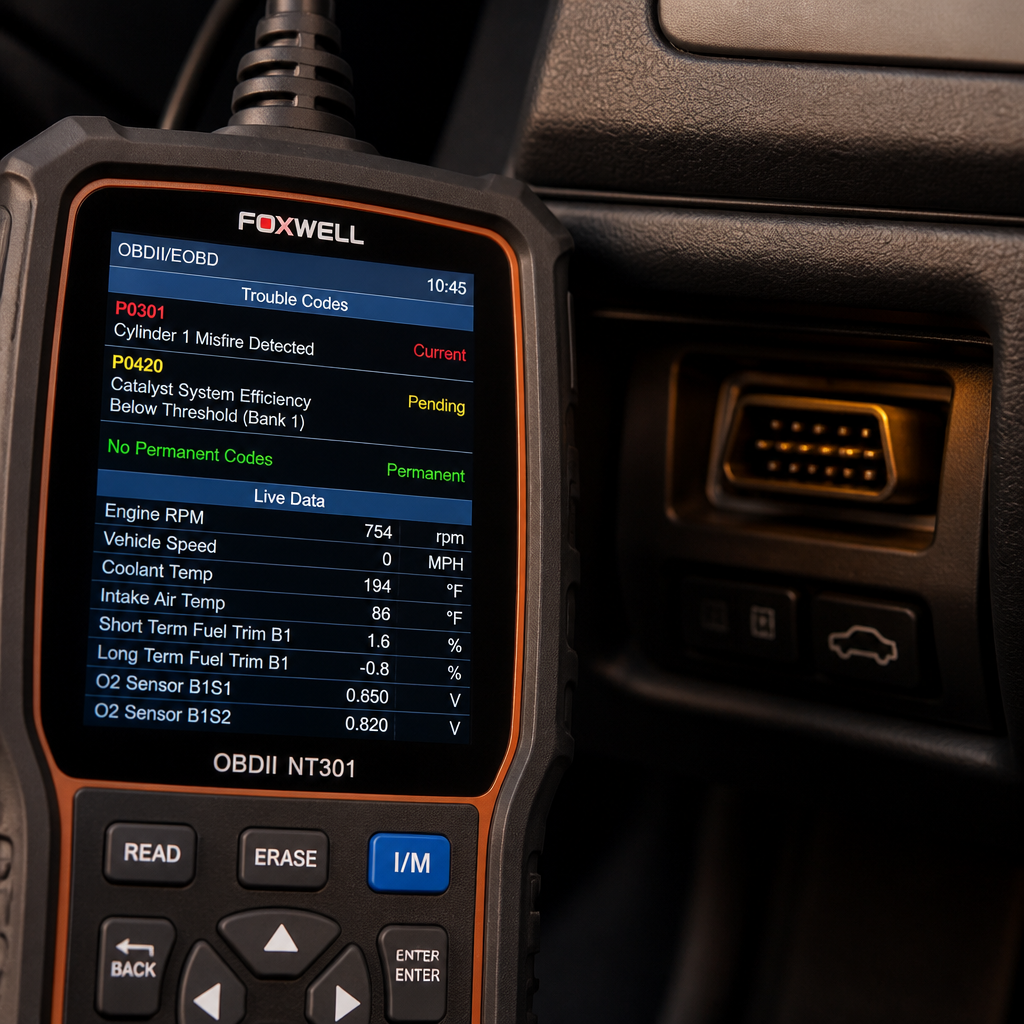
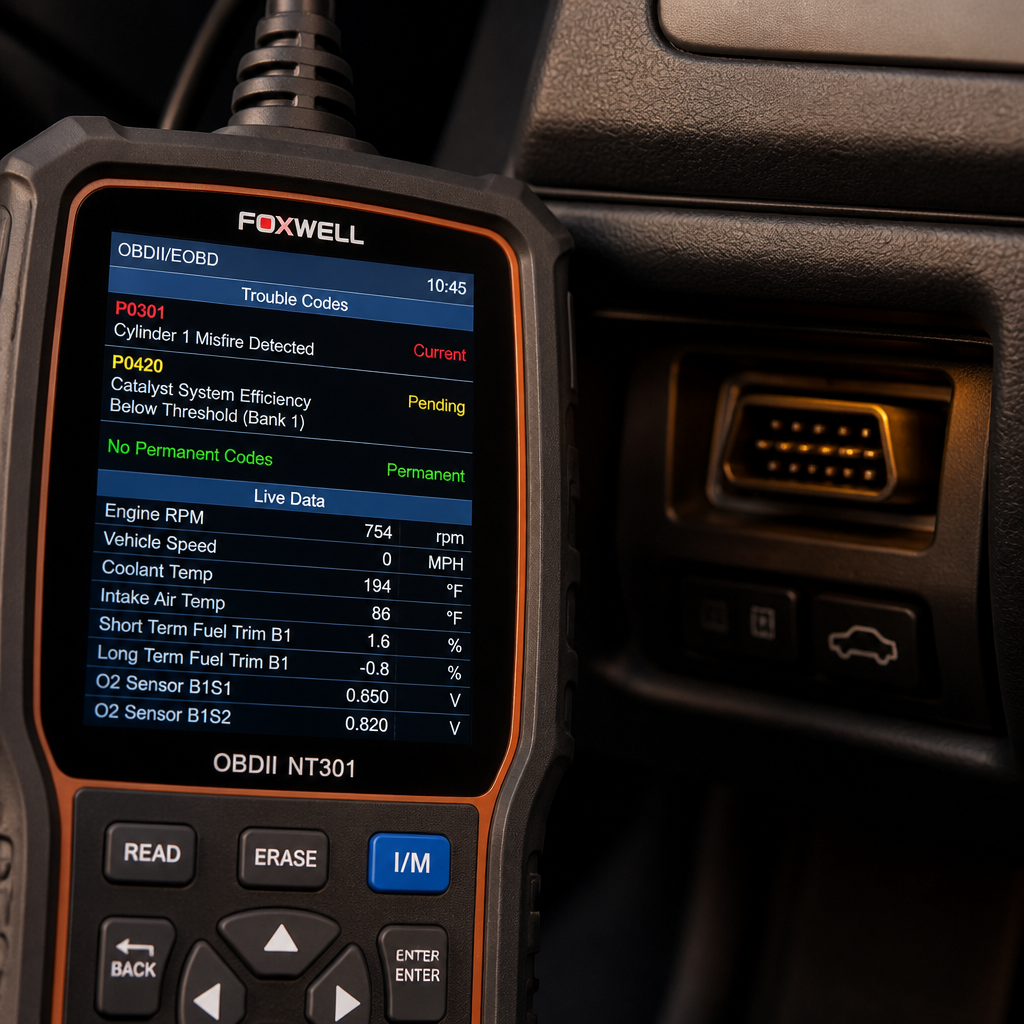
A car diagnostic test is the process of connecting a scan tool to your vehicle’s OBD-II port, which is the 16-pin connector typically located under the driver’s side dashboard, and querying every electronic control module (ECM) onboard. The tool does not just read warning lights. It requests stored fault codes, pulls live sensor readings, and retrieves freeze-frame data that the vehicle’s computer logged the moment it detected a problem.
Every vehicle sold in the United States since 1996 is required to have an OBD-II system. That system continuously monitors dozens of sensors and flags any reading that falls outside the manufacturer’s acceptable range. When a flag is stored, the check engine light illuminates, and a Diagnostic Trouble Code (DTC) is written to the vehicle’s memory.
A professional diagnostic goes well beyond simply reading that stored code. The technician interprets the code in context, cross-references it with live data, and then performs additional hands-on inspection to confirm what the data is suggesting. The scan gives direction; the technician provides the diagnosis.
Quick Takeaways
| Key Insight | Explanation |
|---|---|
| A DTC is a starting point, not a final answer | A code like P0420 flags the catalytic converter system but does not tell the mechanic which component to replace. Further testing is required to confirm the root cause. |
| Freeze-frame data changes everything | The ECU captures engine speed, load, fuel trim, and coolant temperature at the exact moment a fault triggers. This snapshot drastically narrows the diagnosis compared to a visual inspection alone. |
| Modern vehicles have many control modules | A full diagnostic scan communicates with the engine, transmission, ABS, airbag (SRS), climate control, and other modules, not just the powertrain computer. |
| Live sensor data catches intermittent faults | Problems that come and go, like an occasional misfire or a stalling engine, often leave no stored code. Live data lets a technician watch the fault happen in real time. |
| A free store scan is not a full diagnostic | Auto parts store code readers retrieve stored codes only. They do not access live data, freeze-frame snapshots, or manufacturer-specific modules the way professional tools do. |
| Michigan winters create specific diagnostic patterns | Cold-weather starts, road salt corrosion on sensors and wiring, and temperature swings affect oxygen sensors, ABS wheel speed sensors, and battery health readings in ways a full scan can catch early. |
| Diagnostics can prevent unnecessary parts replacements | Identifying the actual faulty system before ordering parts saves money and avoids replacing components that were functioning correctly. |
Systems a Diagnostic Test Actually Covers
One of the most common misconceptions about auto diagnostics is that the scan only checks the engine. In practice, a professional scan tool communicates with every system in the vehicle that has its own electronic control module, and on a modern vehicle, that covers most of the car.
Engine Management System
The engine control unit receives the most detailed attention in any diagnostic report. It monitors fuel delivery through the injectors, combustion quality via knock sensors, ignition timing, and exhaust composition through oxygen sensors positioned before and after the catalytic converter. Issues with any of these components generate codes in the P0xxx and P1xxx range.
Common findings include misfires (P0300 series), oxygen sensor faults, mass airflow sensor problems, and evaporative emissions leaks. Each of these directly affects fuel economy and drivability, which is why addressing them early matters for Metro Detroit families putting significant miles on their vehicles each week.
Transmission System
The transmission control module tracks shift timing, gear engagement, torque converter lockup, and fluid temperature. A diagnostic scan can detect problems with shifting or slipping gears before they develop into a full transmission failure, which is one of the most expensive repairs a vehicle owner can face.
ABS and Traction Control
ABS faults often stem from a wheel speed sensor that has corroded, a common occurrence in Michigan thanks to road salt exposure. The diagnostic scan identifies which sensor is out of range and under what conditions the fault triggers, giving the technician precise information rather than requiring them to test each corner of the vehicle blindly.
Electrical and Charging System
The scan also evaluates the battery, alternator, and charging system. Electrical system faults that cause parasitic drain or intermittent no-start conditions are among the hardest problems to locate without diagnostic data, because they often leave no visible symptoms until the vehicle refuses to start.
Emissions, Safety, and Climate Systems
A full professional scan reads codes from the SRS (airbag) module, the emissions control system, and the climate control module. For Michigan drivers who rely on their AC through humid summers and on their defrost and heating systems through long winters, catching a fault in these systems early avoids being stranded without comfort or safety features when they are needed most.
Pro tip: If your vehicle recently failed a Michigan emissions test, bring it in for a full diagnostic scan before replacing parts. The scan will show whether the readiness monitors have run to completion, which is what the test equipment actually checks, and can identify the specific system that did not pass.
How OBD-II Codes Work
Every DTC follows a standardized five-character format. Understanding it helps you have a more informed conversation with your technician, even if you are not interpreting codes yourself.
The first character is a letter identifying the system: P for powertrain (engine and transmission), B for body, C for chassis, and U for network communication. The second character indicates whether the code is generic across all manufacturers (0) or manufacturer-specific (1). The third character narrows the location of the issue within that system, for example, a 3 in the third position of a P-code points to an ignition fault. The fourth and fifth characters identify the specific problem within that subsystem.
So a code like P0301 means: powertrain (P), generic (0), fuel and air metering or auxiliary emissions (3), cylinder 1 misfire detected (01). That is actionable. But it still does not tell the mechanic whether the misfire is caused by a bad spark plug, a faulty coil pack, a clogged injector, or low compression in that cylinder. The code is the beginning of the diagnostic process, not the end of it.
A diagnostic report does not tell a mechanic what to replace outright. It identifies which system triggered a fault and under what conditions. The technician’s job is to use that information as the starting point for confirmed, evidence-based diagnosis.
Pending codes are worth understanding too. A pending code is stored when a fault has been detected on one drive cycle but has not yet triggered the check engine light, which typically requires the fault to appear on two consecutive cycles. A full diagnostic scan catches pending codes that a basic code reader may miss entirely, giving your technician an early warning before the light ever turns on.
Pro tip: Do not clear a stored code before bringing your vehicle in for service. Clearing codes also erases freeze-frame data and resets readiness monitors, which removes the context your technician needs to make an accurate diagnosis efficiently. Let the professionals read and document everything first.
Freeze Frame and Live Data: The Real Value
Freeze-frame data is one of the most powerful and least discussed features of a professional diagnostic scan. When the ECU logs a fault, it simultaneously captures a snapshot of every sensor reading at that precise moment. A mechanic can see the engine speed, load, fuel trim, and coolant temperature at the instant the fault triggered. That context narrows the diagnosis considerably compared to a visual inspection alone.
Consider an intermittent stalling complaint. The vehicle might start and run perfectly when it arrives at the shop. Without freeze-frame data, the technician has very little to work with. With it, they can see that the stall consistently occurred when coolant temperature was below a certain threshold, immediately pointing toward a cold-start fuel delivery issue rather than an ignition or sensor problem.
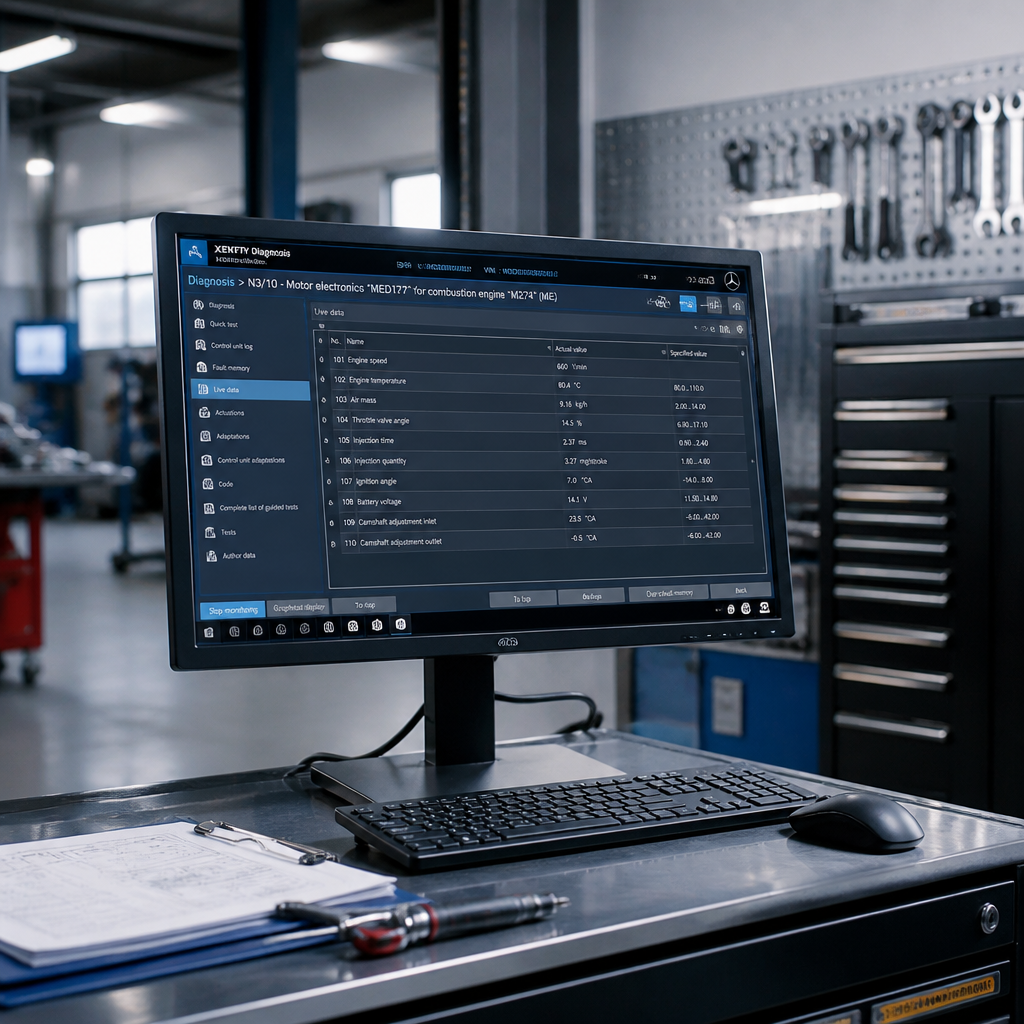
Live data takes this further by showing a continuous stream of real-time information from the vehicle’s sensors while the engine is running. Think of it as a heart monitor for your car. Instead of a static code, the technician watches actual engine behavior during a test drive or idle. Voltage fluctuations, sensor dropouts, and inconsistent fuel trim values that would never appear in a stored code become visible in real time. This is particularly valuable for diagnosing intermittent misfires, rough idle complaints, and hard-to-replicate driveability issues that customers experience on the road but cannot recreate in a parking lot.
Live data also covers the transmission, ABS, airbag system, and climate control on vehicles equipped with those modules. Watching transmission line pressure data in real time while simulating a gear change, for example, can reveal a solenoid problem before it causes a full failure and the far more expensive repair that follows.
Professional Diagnostic vs. DIY OBD Scanner
Consumer OBD-II code readers have their place. They can read and clear stored powertrain codes, and a basic Bluetooth adapter paired with a smartphone app is useful for a driver who wants to understand why their check engine light came on before calling a shop. The limitation is significant, though: basic code readers access only a fraction of what a professional-grade scan tool can see.
| Feature | Consumer OBD-II Code Reader | Professional Scan Tool (Shop-Grade) |
|---|---|---|
| Reads stored powertrain codes | Yes | Yes |
| Reads pending codes | Sometimes | Yes |
| Freeze-frame data | Basic (limited parameters) | Full snapshot across all monitored sensors |
| Live sensor data streaming | Limited or none | Full real-time streaming across all modules |
| ABS, SRS, and transmission codes | Rarely | Yes, including manufacturer-specific codes |
| Readiness monitor status | Basic | Full status across all monitors |
| Technician interpretation | None | Included, with hands-on follow-up inspection |
The honest answer is that a consumer scanner is useful for a quick heads-up, but it is not a substitute for a professional diagnostic when you need to make a repair decision. The code reading itself is a small part of the process. The technician’s ability to cross-reference the data, perform follow-up electrical tests, and apply experience to the pattern of faults is where the real value is. In many cases, the cost of a quality consumer OBD tool ends up exceeding what a shop charges for a full professional diagnostic, without the interpretation that makes the data useful.
For families in Shelby Township, Troy, or Waterford who rely on their vehicles for school runs and daily commutes, a professional diagnostic at a shop with certified technicians, like the team at Car Aid, means you get actionable repair guidance, not just a code on a screen that you have to research yourself.
What Happens After the Scan
A diagnostic scan generates information. Confirming the root cause and repairing it requires the technician to take additional steps based on what the data revealed. Depending on the fault, a technician may inspect wiring harnesses visually, test individual electrical circuits with a multimeter, check mechanical components by hand, or perform a road test while watching live data.
A trustworthy shop will present a clear breakdown of findings: which systems flagged faults, what the freeze-frame data showed, which repairs are urgent, and which can be monitored over time. This prioritization matters for real budgets. Not every fault code requires an immediate repair, and a good technician will tell you which codes represent an imminent safety or mechanical risk and which are informational.
Once repairs are completed, the technician resets the fault codes, confirms that the check engine light does not return, and verifies that readiness monitors have run to completion before returning the vehicle. That final confirmation step is not optional. It is how you know the repair actually resolved the underlying fault and not just cleared the light temporarily.
At Car Aid locations across Metro Detroit, including Shelby Township, the goal is transparent communication at every step: what was found, why it matters, what it costs to fix, and what can wait. That is what separates a shop that treats diagnostics as a genuine service from one that uses the scan as a pretext to sell parts.
Frequently Asked Questions
How long does a professional car diagnostic test take?
A professional diagnostic scan typically takes under an hour when conducted by an experienced technician. Simple stored codes can be read in minutes. More complex diagnostics involving intermittent faults, multiple codes across several modules, or live data analysis during a test drive may take longer, but a good shop will communicate that to you upfront before proceeding.
Will a car diagnostic test tell my mechanic exactly what part to replace?
Not directly. A diagnostic test identifies which system triggered a fault and under what conditions, but it does not prescribe a specific part replacement. A P0171 code, for example, indicates the engine is running lean, but the cause could be a vacuum leak, a faulty mass airflow sensor, a fuel delivery problem, or a failing oxygen sensor. The technician uses the code as a starting point and confirms the root cause through follow-up testing before recommending a repair.
Is the free check engine light scan at auto parts stores the same as a professional diagnostic?
No. A free scan at a parts store reads stored powertrain codes only. It does not access live data, freeze-frame snapshots, manufacturer-specific codes, or modules beyond the basic engine computer. It is useful for a general idea of what triggered the light, but it is not a substitute for a professional diagnostic when you need to make a confident repair decision.
Does a diagnostic test cover the transmission and brakes?
Yes, a full professional diagnostic scan communicates with the transmission control module and the ABS module in addition to the engine management system. It can detect shifting faults, slipping gear patterns, and wheel speed sensor issues. A basic consumer code reader typically does not access these modules, which is one of the most important practical differences between a professional scan and a DIY tool.
My check engine light came on but my car drives fine. Should I still get a diagnostic?
Yes. A check engine light that illuminates even when the car seems to drive normally often indicates an emissions or sensor issue that will worsen over time if left unaddressed. Some faults that feel minor, like a misfiring cylinder running at low load, can cause serious damage to the catalytic converter if driven on. Getting a diagnostic scan promptly is always the lower-cost option compared to waiting until the vehicle shows obvious symptoms.
Can a diagnostic test detect problems that have not yet triggered the check engine light?
Yes. A full professional scan retrieves pending codes, which are faults the computer has detected but not yet confirmed across multiple drive cycles. These pending codes often precede the check engine light by days or weeks. Catching them early gives you the opportunity to address a developing problem before it becomes a more serious or expensive repair.
How often should I get a diagnostic scan if there are no warning lights on?
There is no fixed schedule for a standalone diagnostic scan when no lights are on, but pairing a scan with your regular oil change or annual service makes practical sense. Many shops include a system health check as part of routine maintenance. For vehicles with higher mileage, or those driven through Michigan winters where road salt accelerates sensor and wiring corrosion, an annual scan can catch degrading components before they fail completely.
Have you ever been surprised by what a diagnostic scan revealed about your vehicle, or had a check engine light that turned out to be something unexpected? Share your experience in the comments below.
References
- CarParts.com overview of how vehicle diagnostic tests work and what OBD-II codes mean
- J.D. Power guide explaining what a car diagnostic test is and what it checks
- 30 North Auto breakdown of what a diagnostic test actually reveals to your technician
- Kettering Motorist Centre explanation of what a car diagnostic report shows, including freeze-frame data
- National Tool Warehouse comparison of DIY versus professional diagnostic tests for cars